
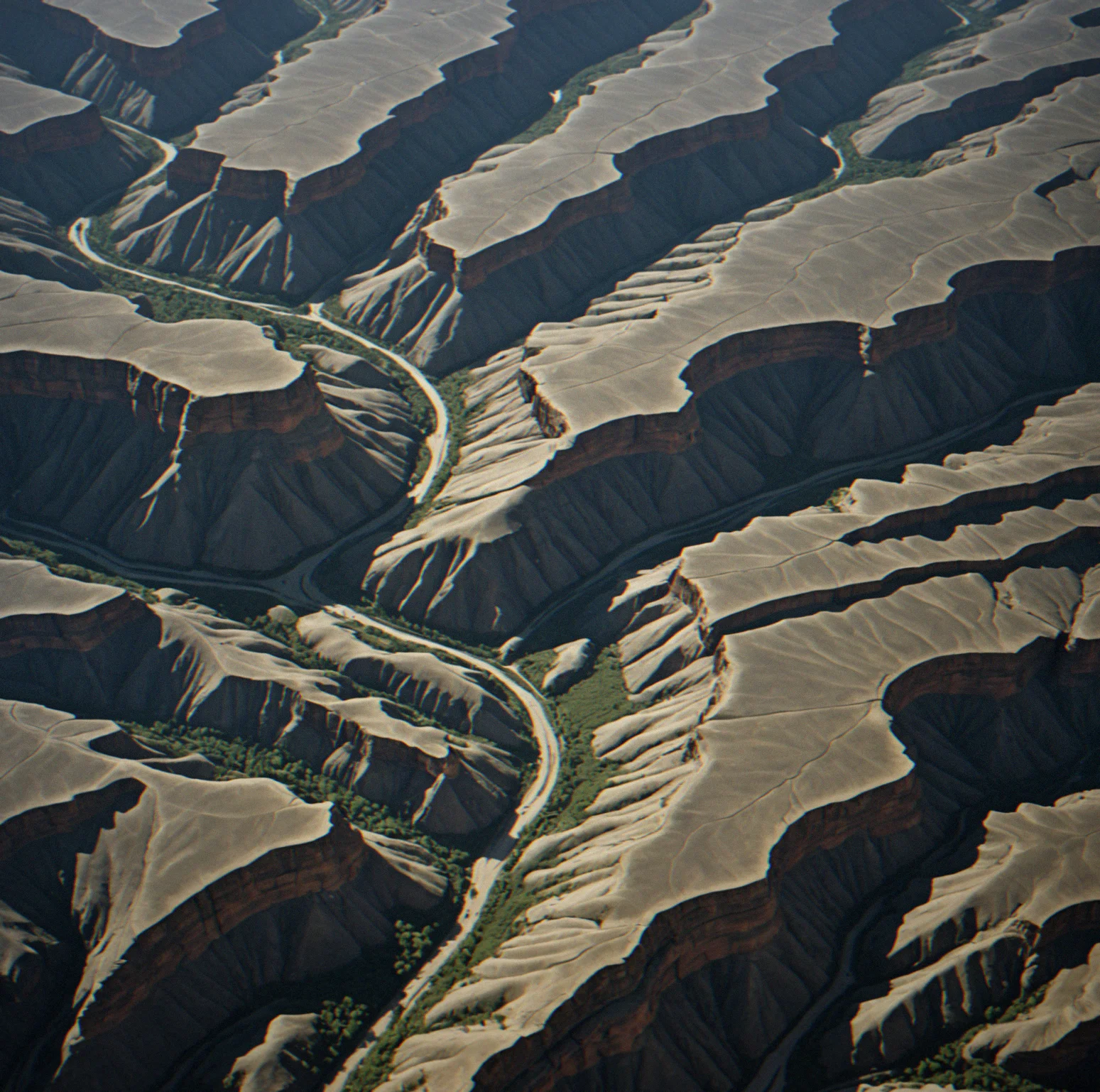
A canyon teaches you to navigate by looking, not following
Spatial reasoning. No UI.
Indie puzzles where reading the landscape is all you've got—no maps, no waypoints, no hand-holding.
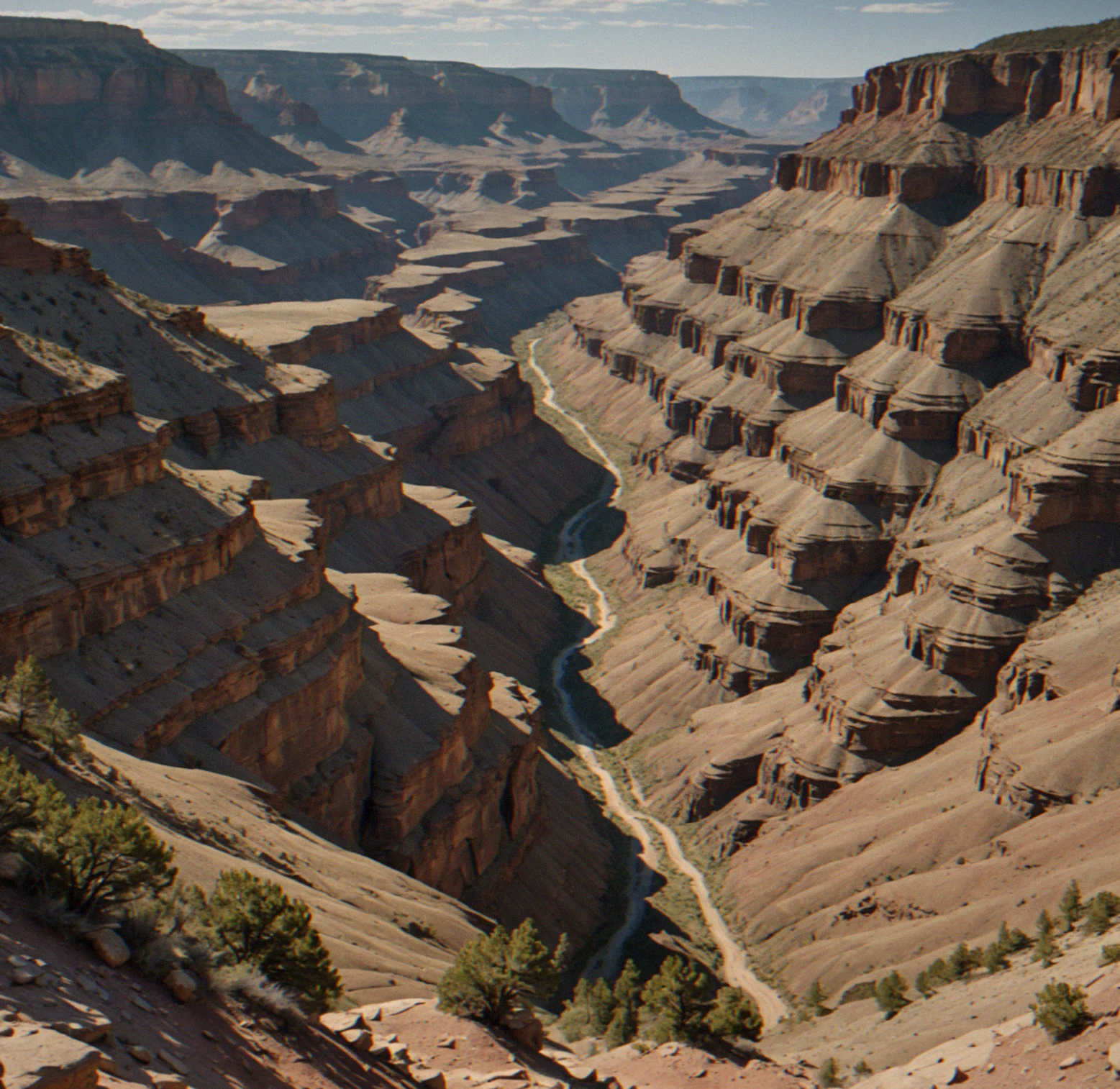
Simpletrail collects puzzle games built on one idea: the world is your interface. No compass floating on screen. No quest marker blinking at you. Nothing between you and the space you're navigating. This is for people around 25 to 45 who played Outer Wilds or Return of the Obra Dinn and immediately wanted to find something else like it.
Every game here follows the same design rule—don't explain what you don't have to. A canyon system matters. A landmark you saw earlier stays with you. You move through the space, figure out the terrain, keep the layout in your head. That's what makes it hard. That's what makes it work.
Sort by mechanic, by terrain, by how much observation the game demands versus what it tells you outright. Every entry breaks down what the design asks of you, how the world talks without UI, and what clicks when you finally get it.
The core mechanic is deceptively simple: move through a hand-crafted space and figure out how it works just by paying attention. There's no compass pointing north. There's no map that tracks where you've been. [This sounds annoying at first, then something clicks—your brain starts building its own mental model the second you stop relying on UI to do that thinking for you.] A river goes downhill. A landmark you spotted twenty minutes ago stays with you because you actually chose to notice it. The puzzle isn't buried in a menu or locked behind dialogue; it's built into the landscape itself.
Games like this share a real design discipline. They skip procedural generation—every path, every rock, every dead end exists because someone intentionally placed it there. The lack of UI hand-holding isn't a drawback; that's the whole design. You figure things out through observation and spatial reasoning alone. No quest markers. No waypoints. No helpful arrows pointing you the right way. After five or six hours, you suddenly realize you know this world so well you could walk through it blind.
Everything's placed on purpose. No algorithms randomizing the landscape. One person's vision, built deliberately, waiting for you to uncover it.
Moving and looking around are what drive the whole thing. You read slopes, water flow, stone formations, how plants grow. Thsee are your actual tools.
No map overlay. No compass. No quest log tracking your progress. The world speaks through its structure. You learn by walking through it and staying alert.
A ruined building's shape tells you why it fell. Worn paths show where feet have been. Rock formations hint at history. The story emerges from what you see.
Keeping the world in your head isn't incidental—it's the whole challenge. By hour twenty, you don't need a map because you've become one.
Four places where the landscape is all you get. No UI clutter. No quest markers. Just terrain you have to actually read.
A canyon teaches you to navigate by looking, not following
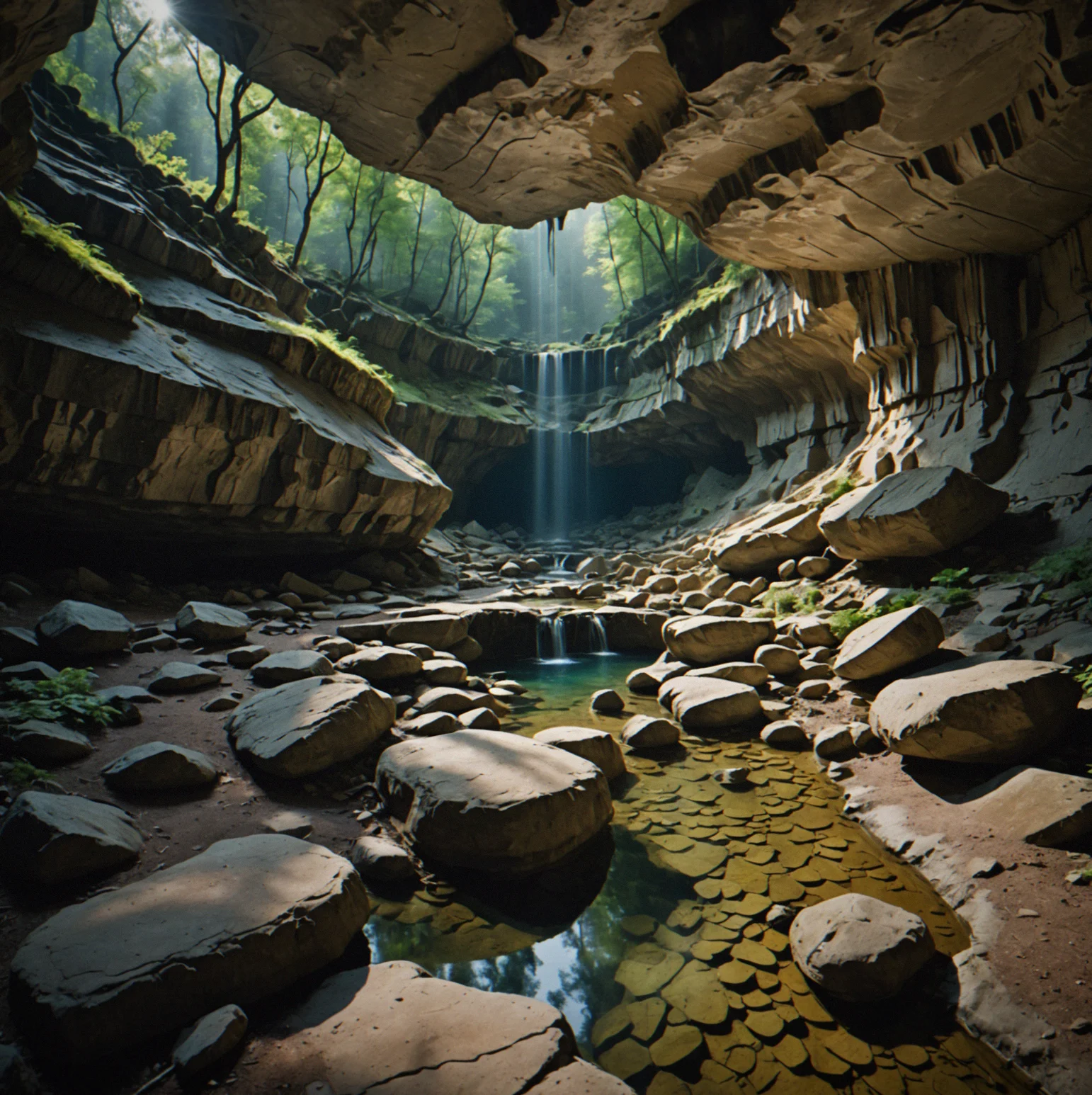
Water and light do the job waypoints used to. That changes everything
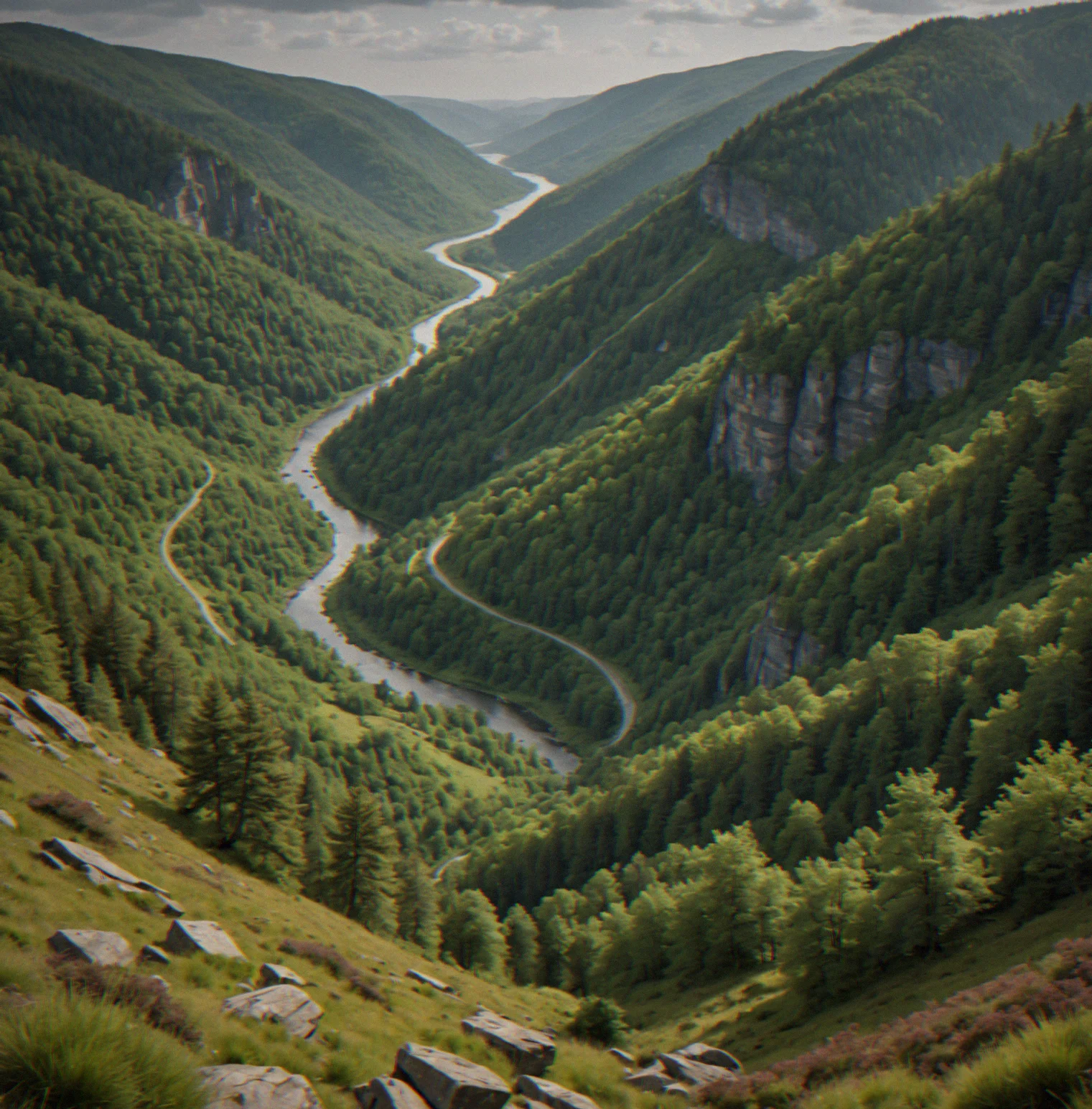
You learn the pllace by moving through it, not by reading labels
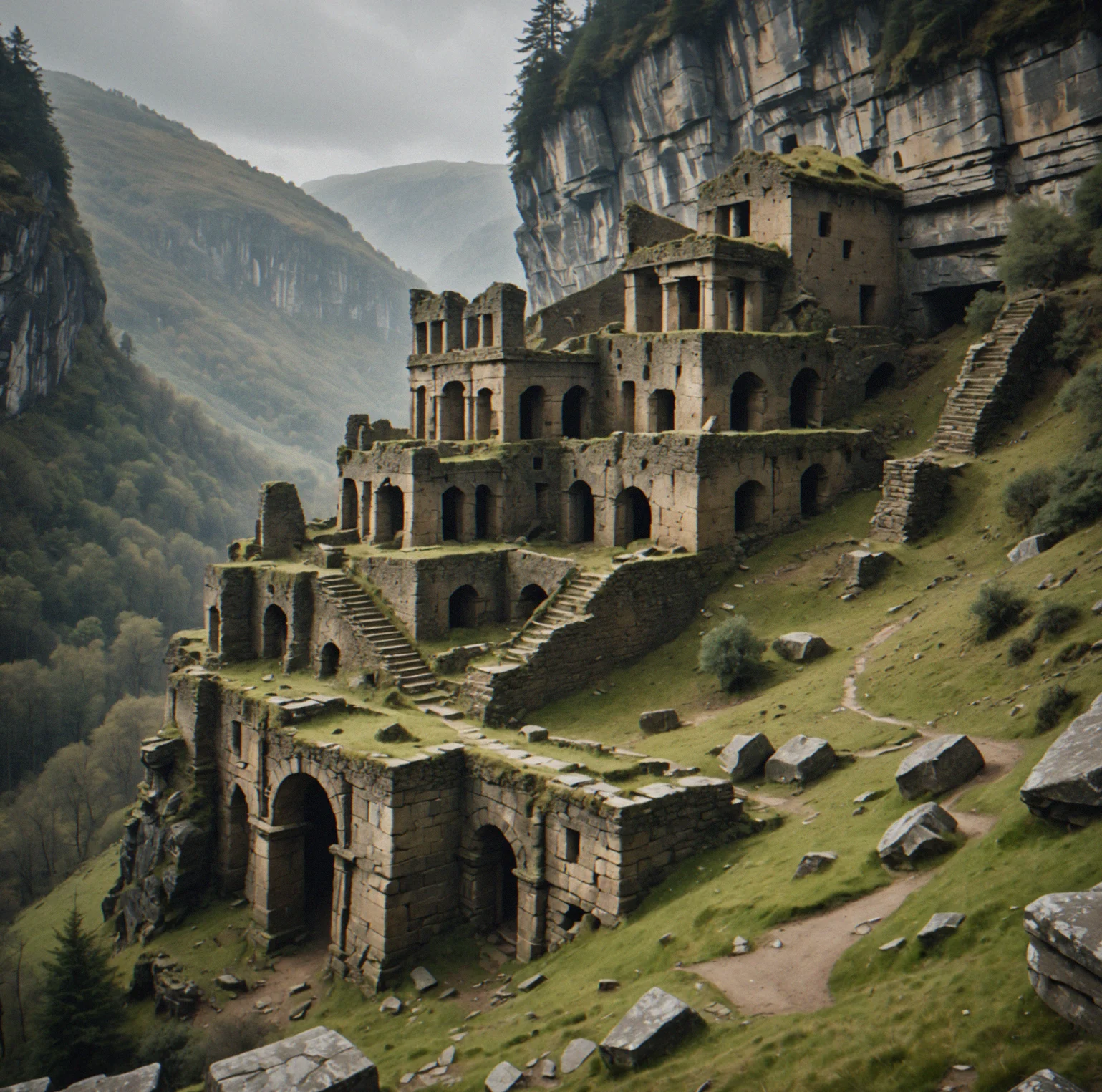
Old stones and weathering pattterns tell you where you stand. That's enough
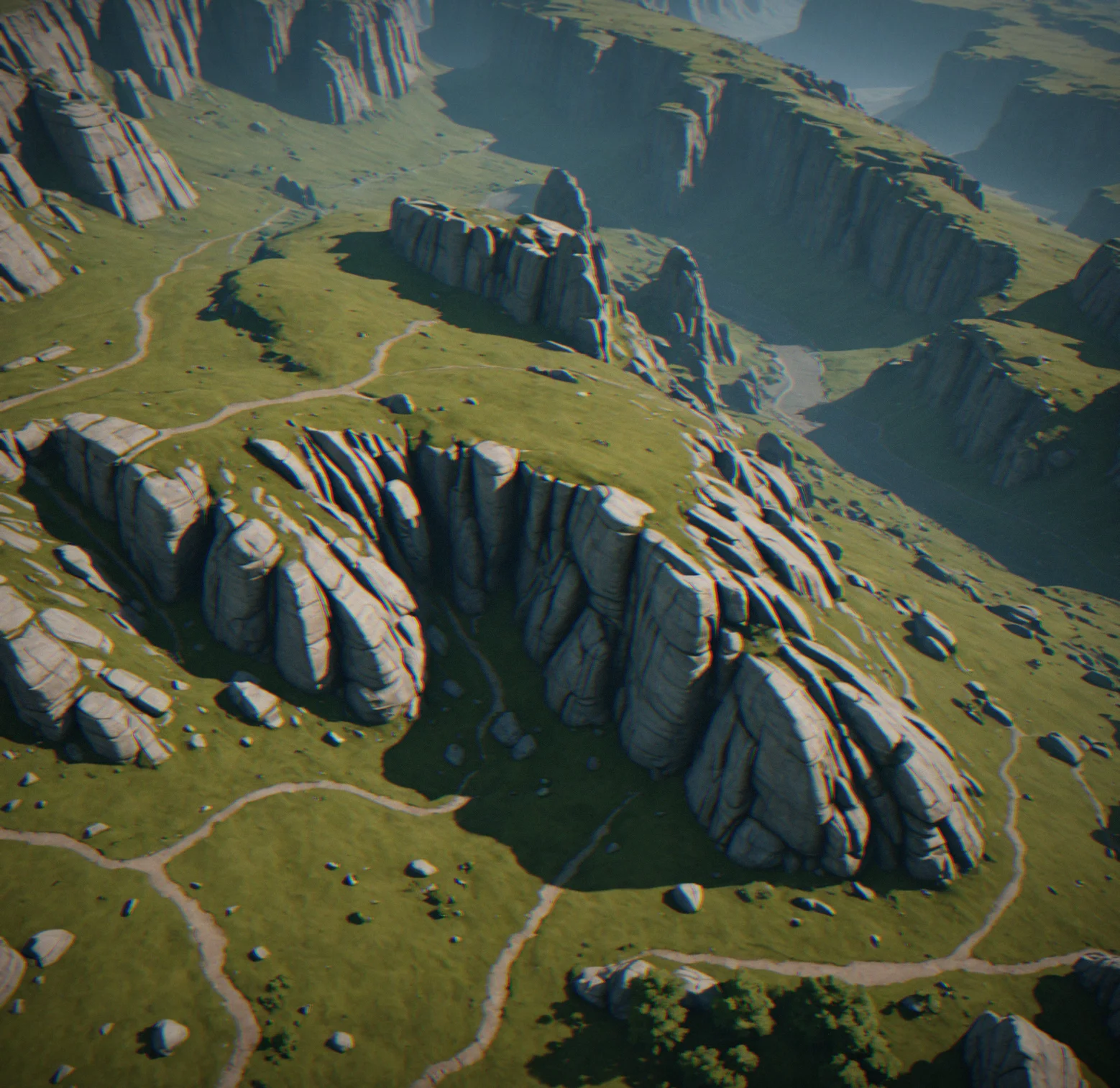
A wide rocky plateau with deep crevasses carved through the stone. You can see cliff edges at different distances stretching out. Nothinv on screen except the landscape itself—no UI, no minimap.
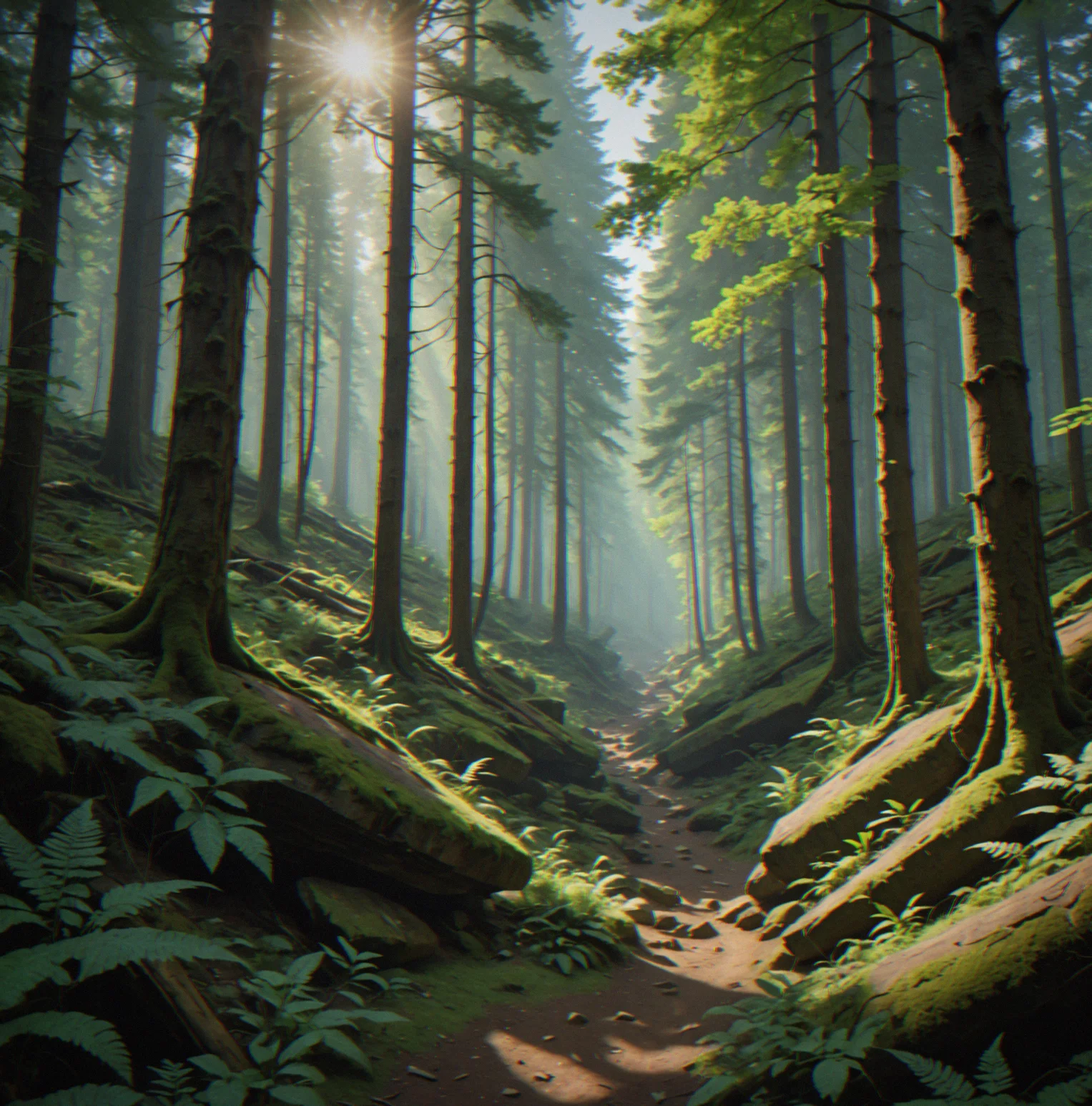
Thick forest with light coming through the canopy in layers. Below all that vegetation is a narrow ravine, though you'd have to look carefully to spot it. No trail markers or anything telling you which way to go.
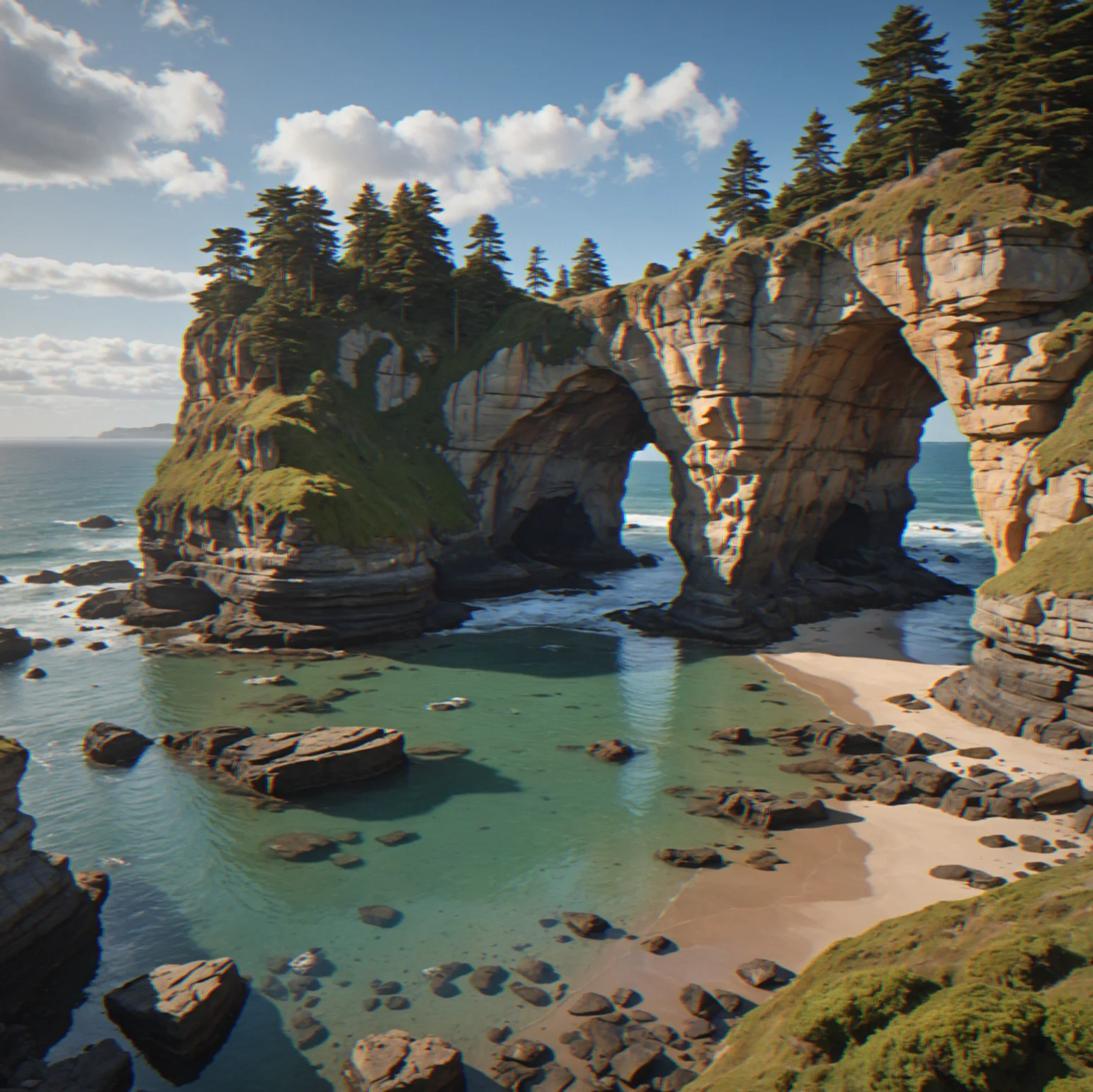
Cliffs dropping down to the coast, shaped by waves over time into alcoves and natural arches. Tidal pools scattered across different levels, each one mirroring the sky. The scene stands alone without a compass or waypoints.
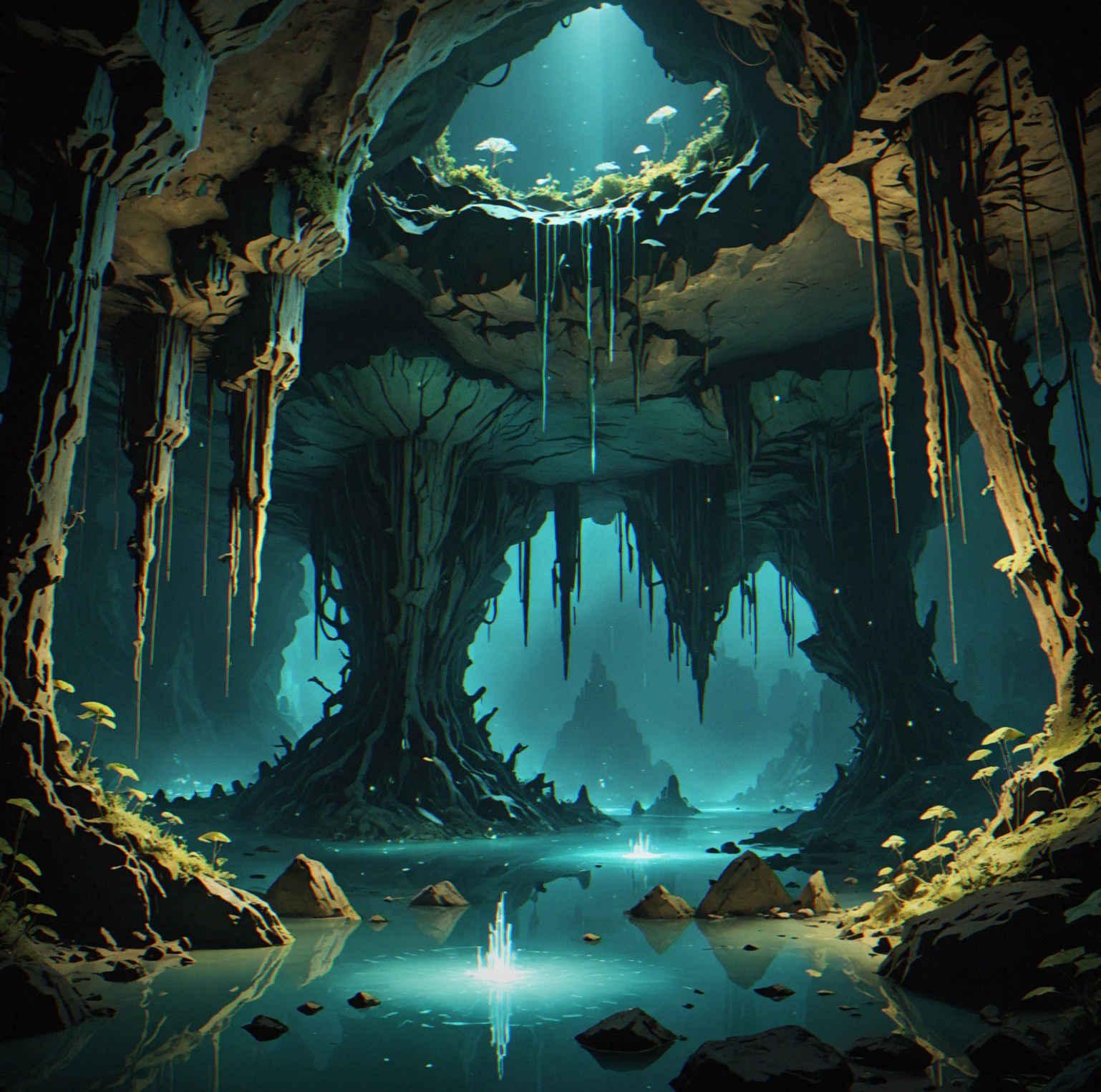
An underground lake surrounded by hanging stalactites. Bioluminescent fungi growing around the edges light up the passages naturally, so you can actually see where you're going. No markers, no objectives on screen.
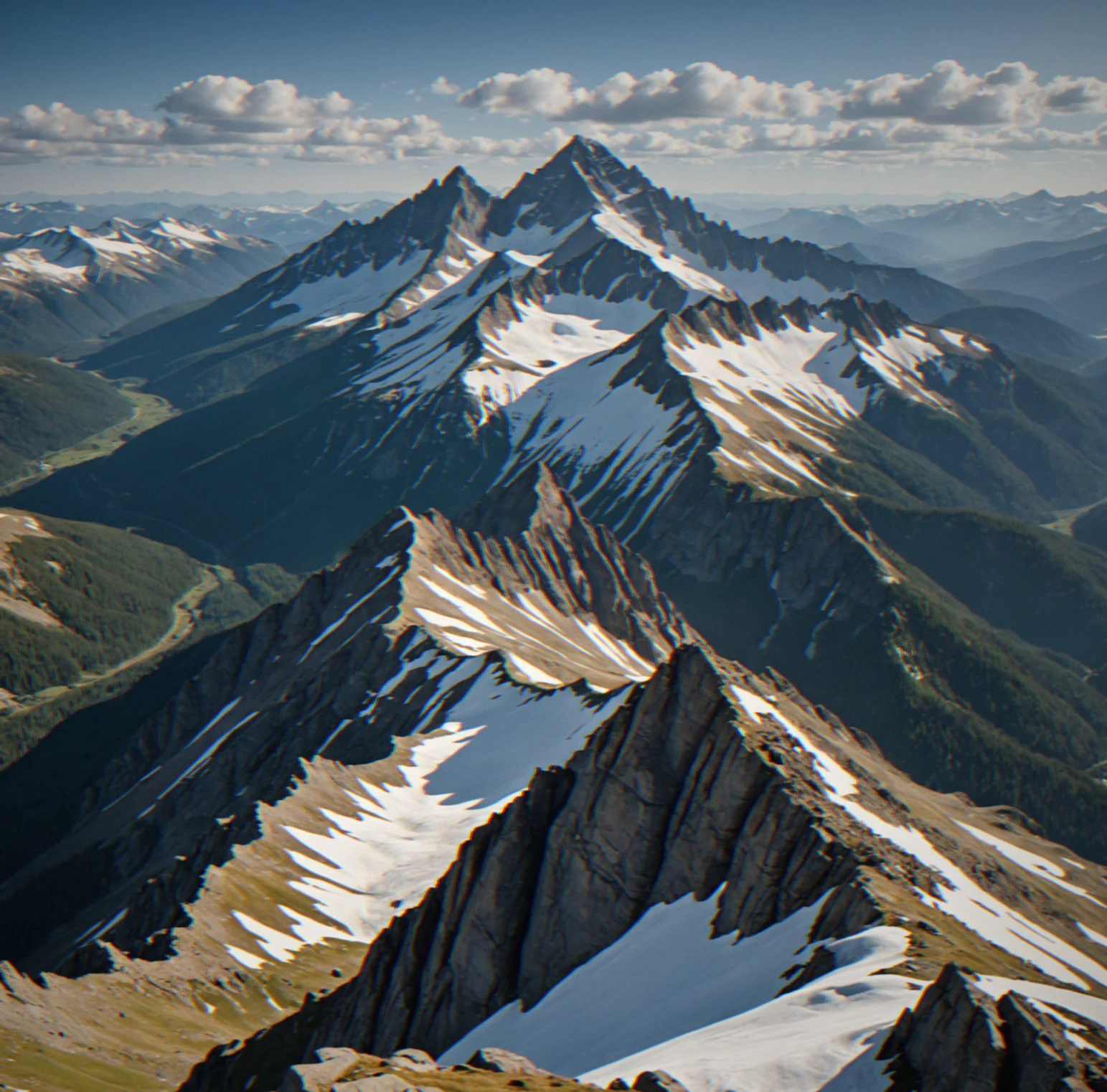
Mountain ridges with snow starting at a clear elevation line. Peaks in the distance give you a sense of how far things stretch out, but there's nothing labeling scale or distance. No navigation overlays.
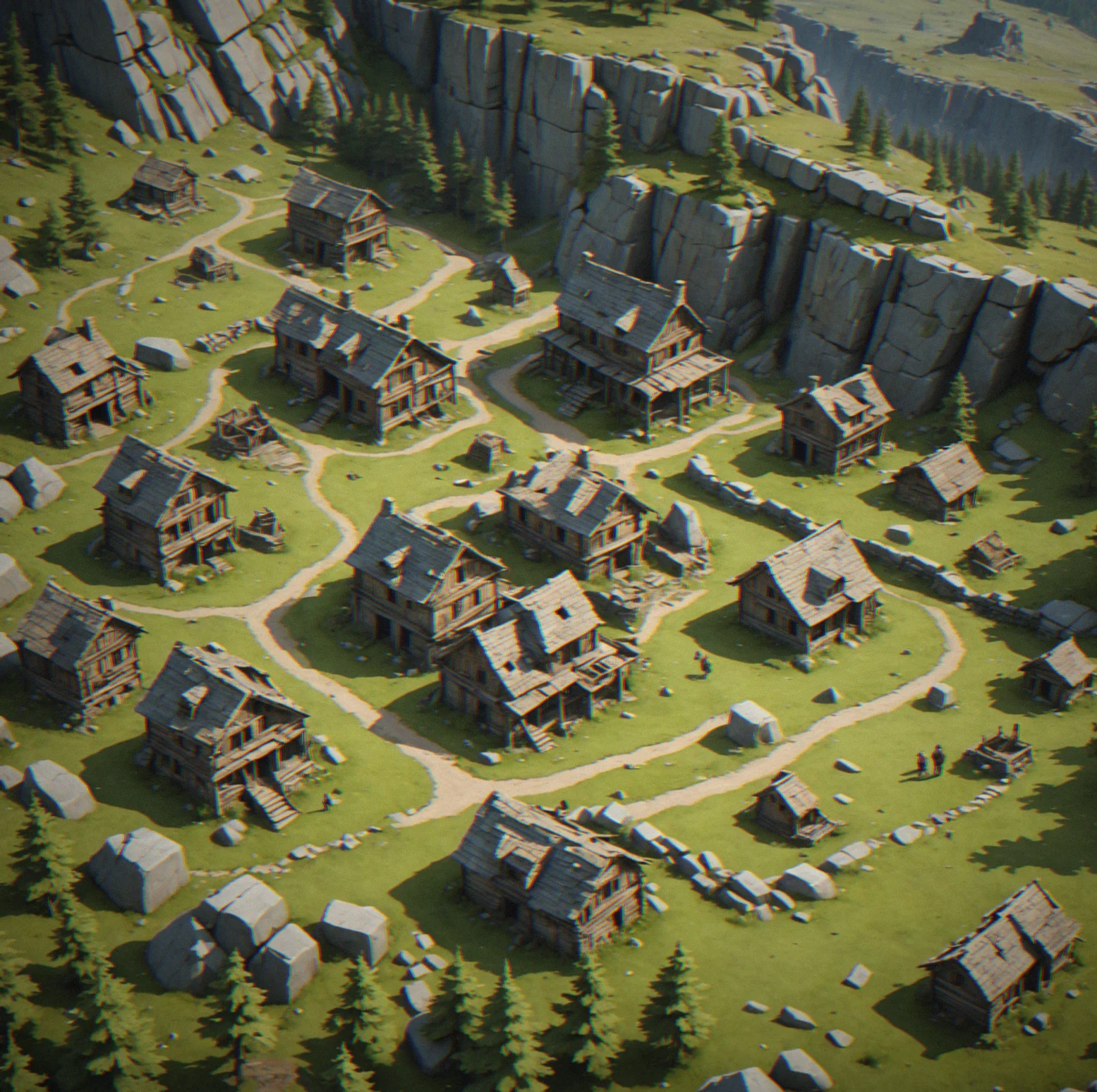
Old ruins scattered down a hillside, broken buildings showing where people once walked and built their homes. The layout hints at what the settlement used to be. Quest logs and instruction prompts? None.
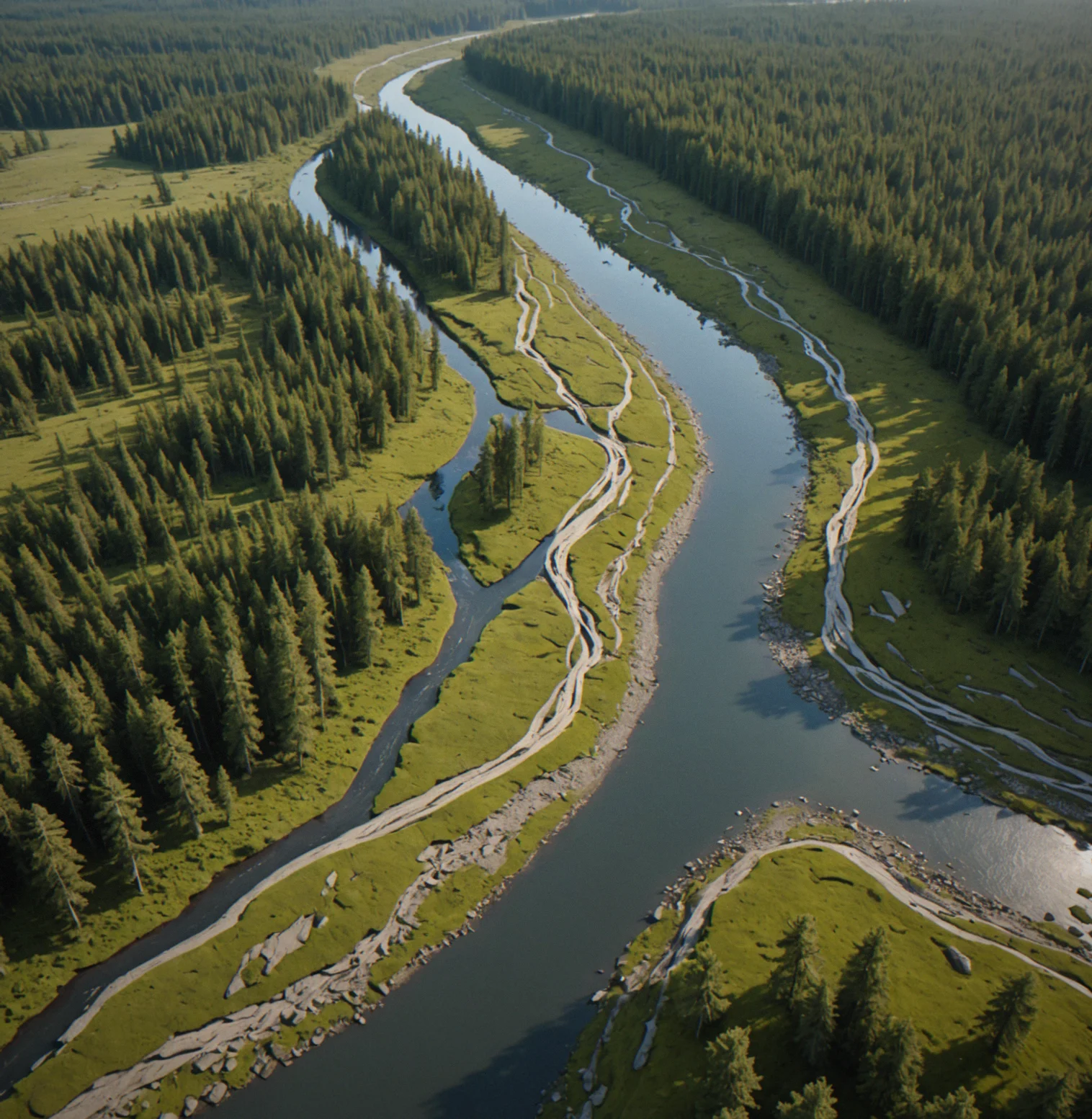
A river delta spreading out across flat ground with multiple braided channels. Trees get denser as the land rises up. Just the landscape—no map overlay, no compass direction.
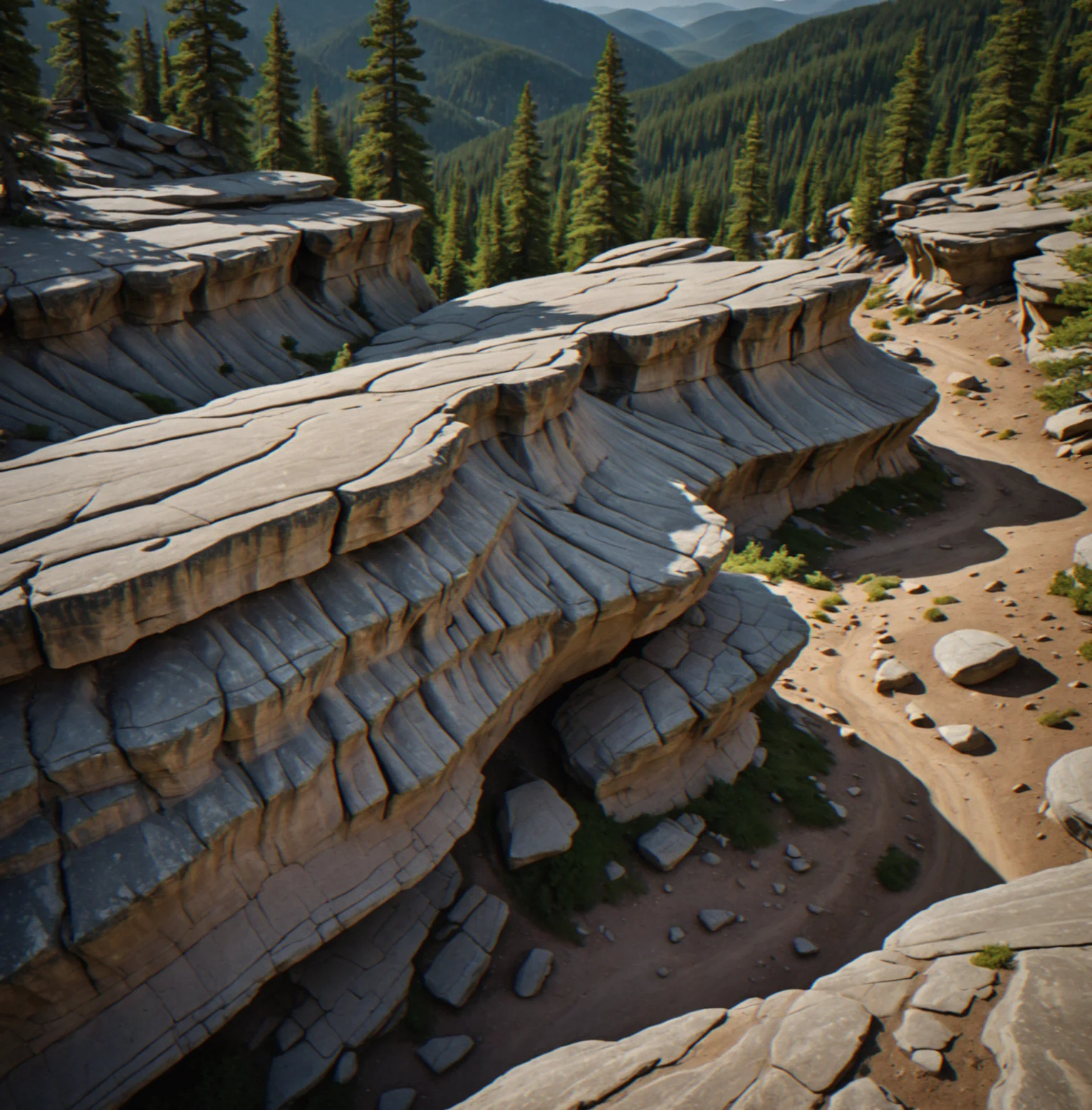
Rock formations carved by wind into shapes that look almost sculpted. Shadows across the surface show the texture and hint at how old everything is. Nothing but the rocks themselves.
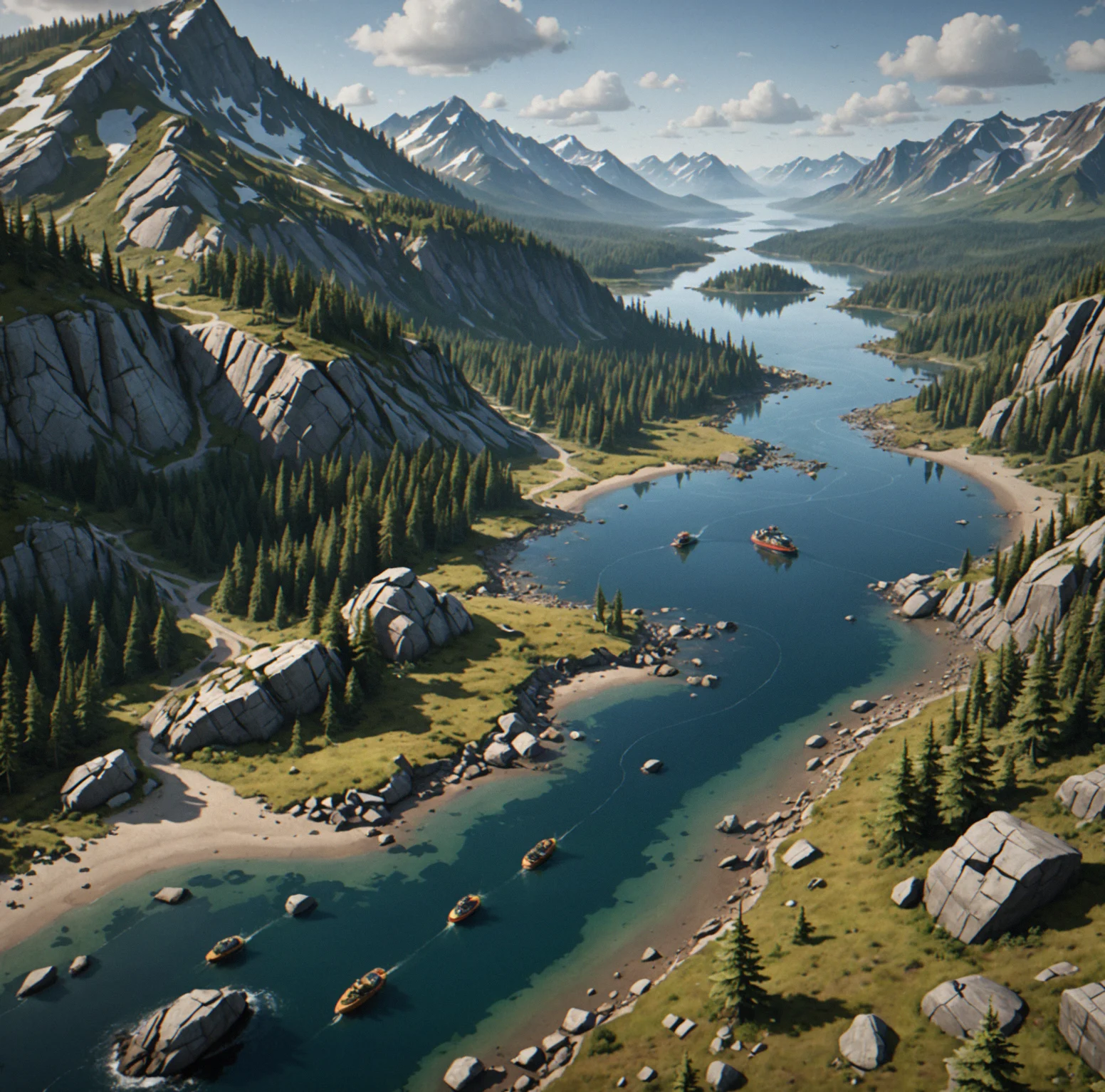
You're looking at multiple ecosystems at once—the tidal zone, forest transition and mountains all visible together. Each terrain type reads clearly just by looking at it. No navigation systems or markers getting in the way.
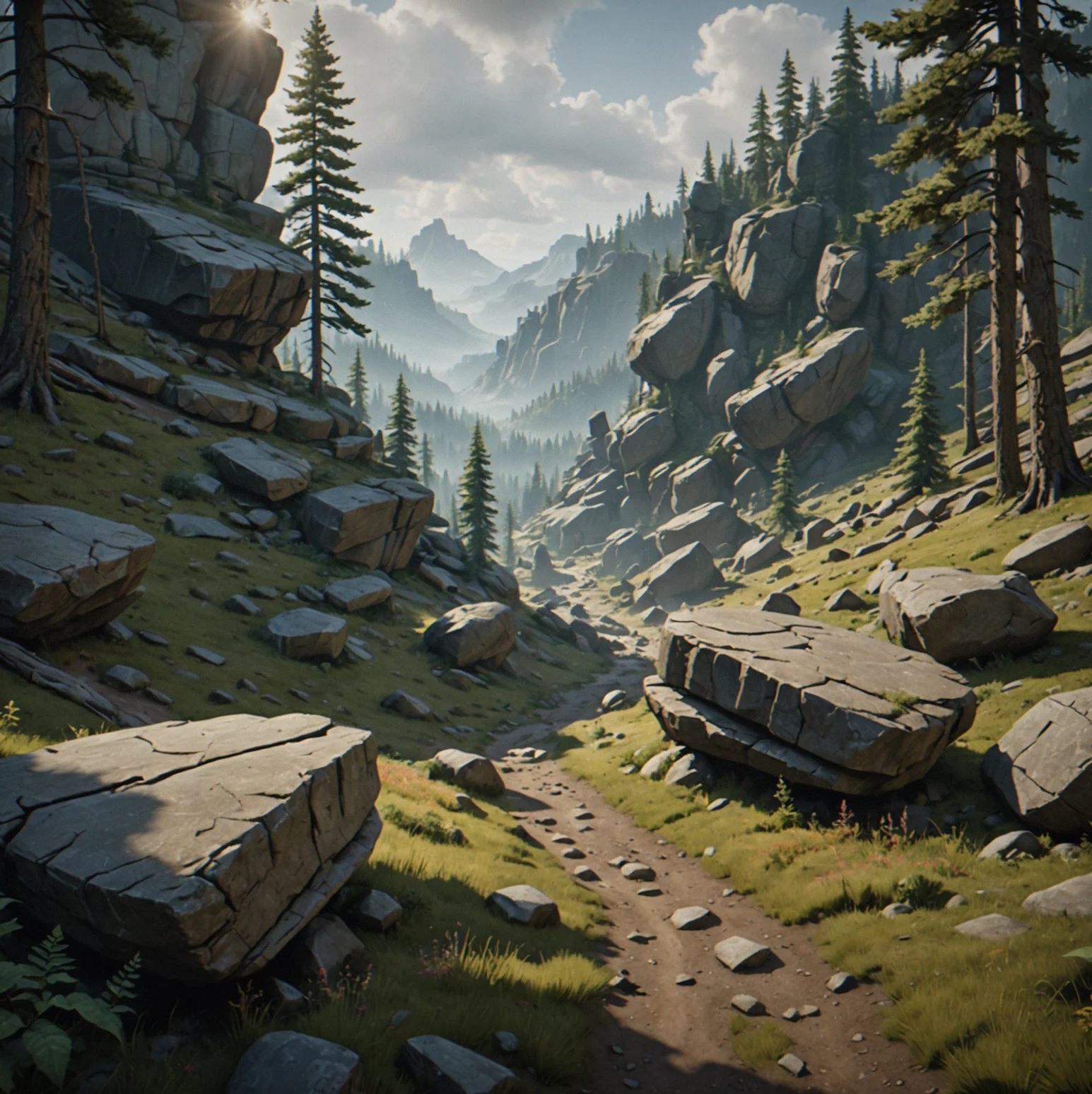
Tight canyon with sheer rock walls on both sides. Light pours down from above, casting deep shadows across the passage. The whole scene is clean—just you, the rocks and the space itself.
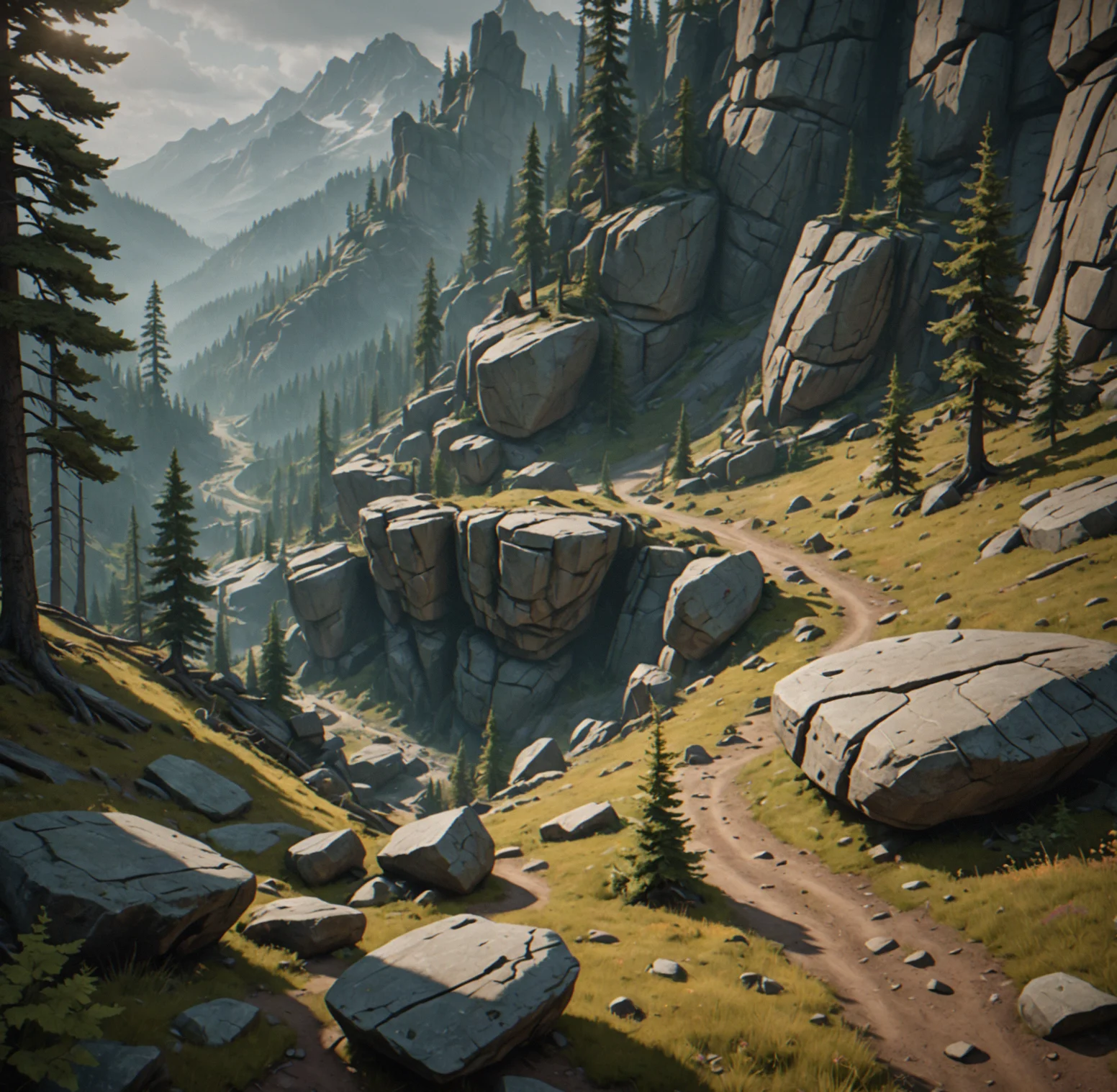
An old temple structure buried under moss and vines, slowly being reclaimed by the environment. You can read what it was meant for just by looking at how it's built. Nothing tells you what to do or where to go.
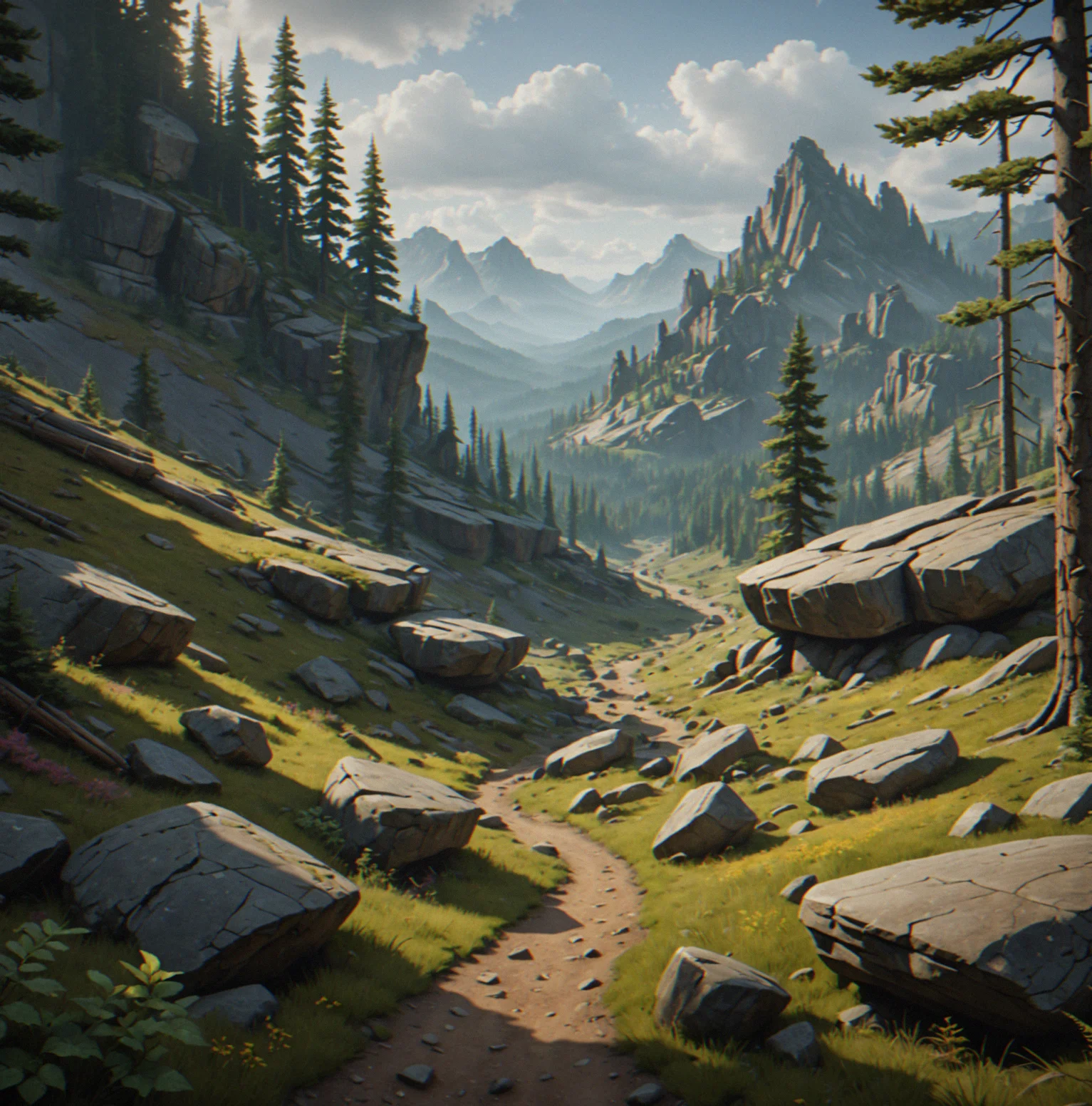
Open grassland scattered with boulders that break up the landscape and give you natural landmarks to navigate by. The horizon stretches far enough that you can judge distance just by looking. No artificial guides pointing the way.
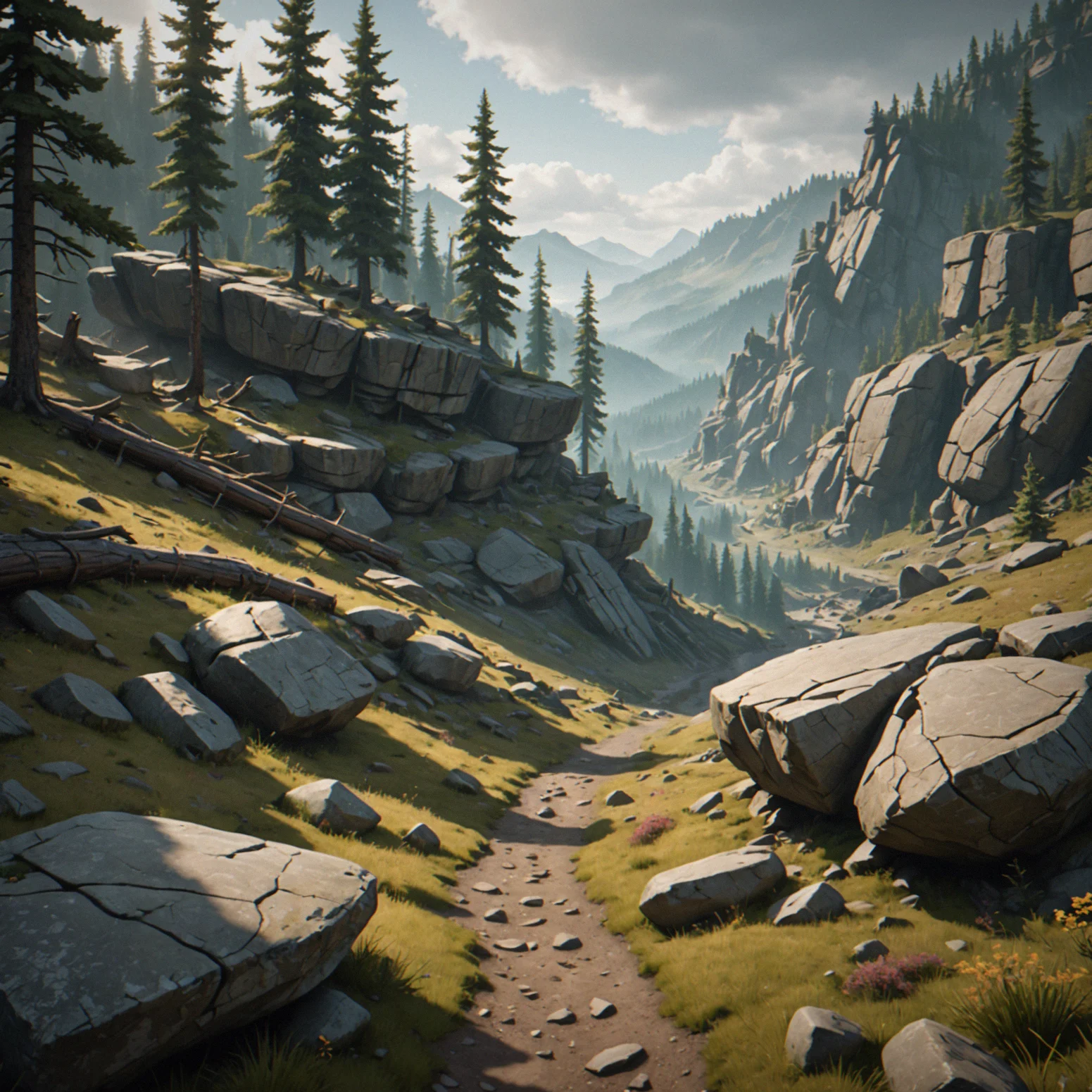
A cave system that opens into multiple chambers stacked one above the other, connected by natural stone arches. Water echoes through the space, giving you audio cues about the layout. The view isn't cluttered with any overlays.
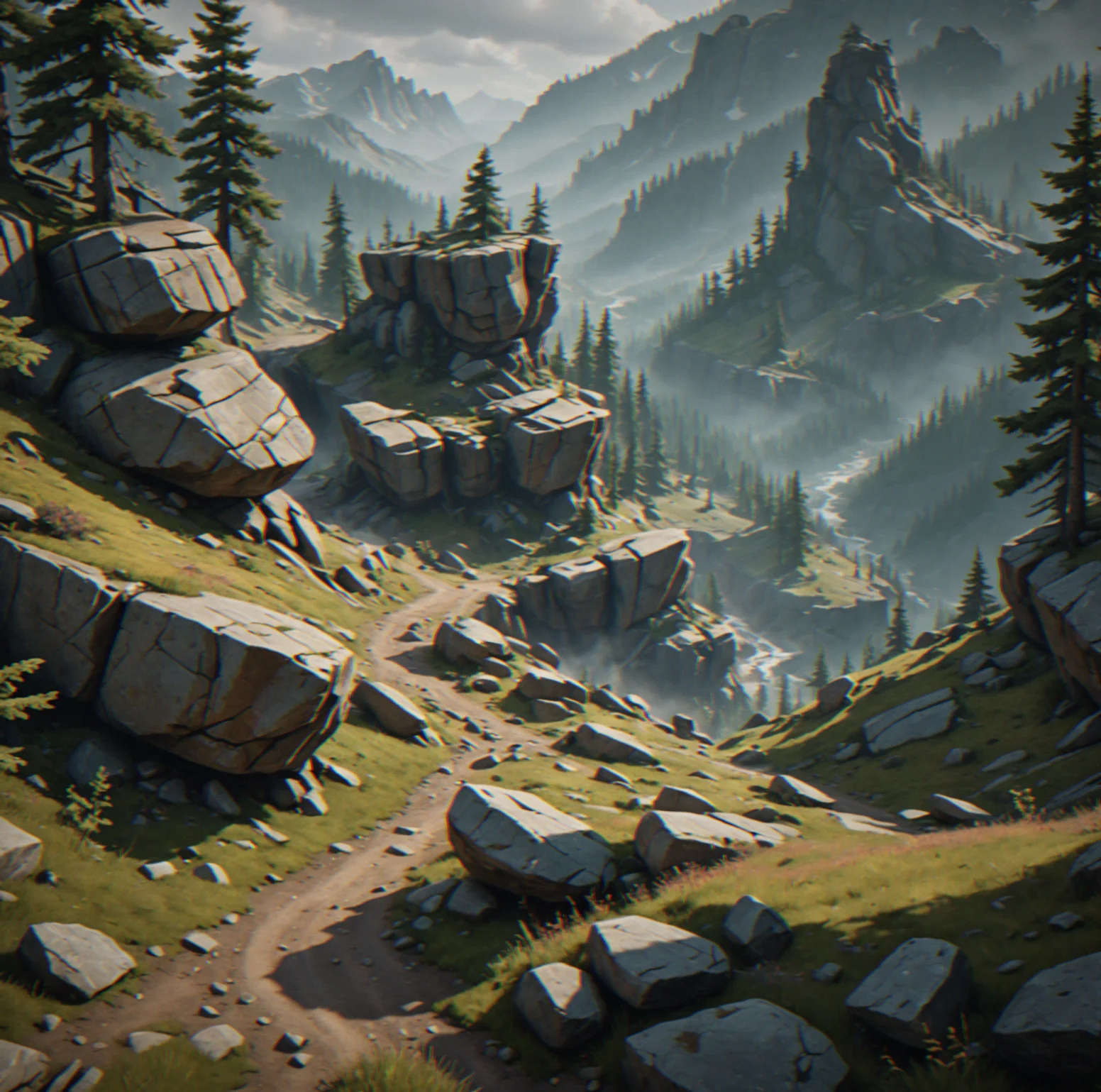
Rocky coastline with dramatic formations rising from the shore. You can see where the tide has carved and weathered the rocks and sand. The landscape speaks for itself without any navigation help.
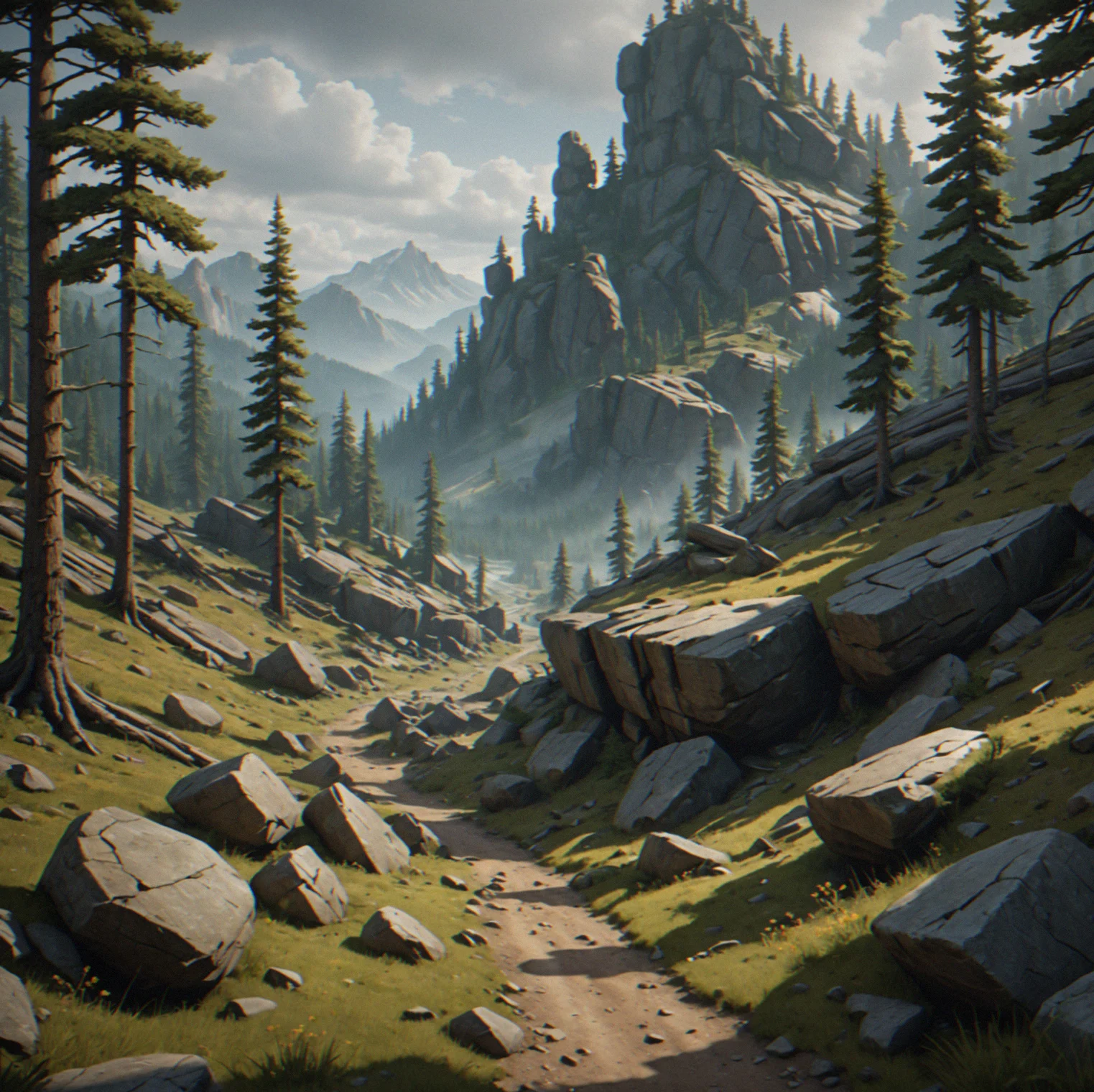
A mountain valley where the ridgelines come together in ways that naturally orient you. Trees shift at different elevations, marking the transition zones. No map or markers hovering over everything.
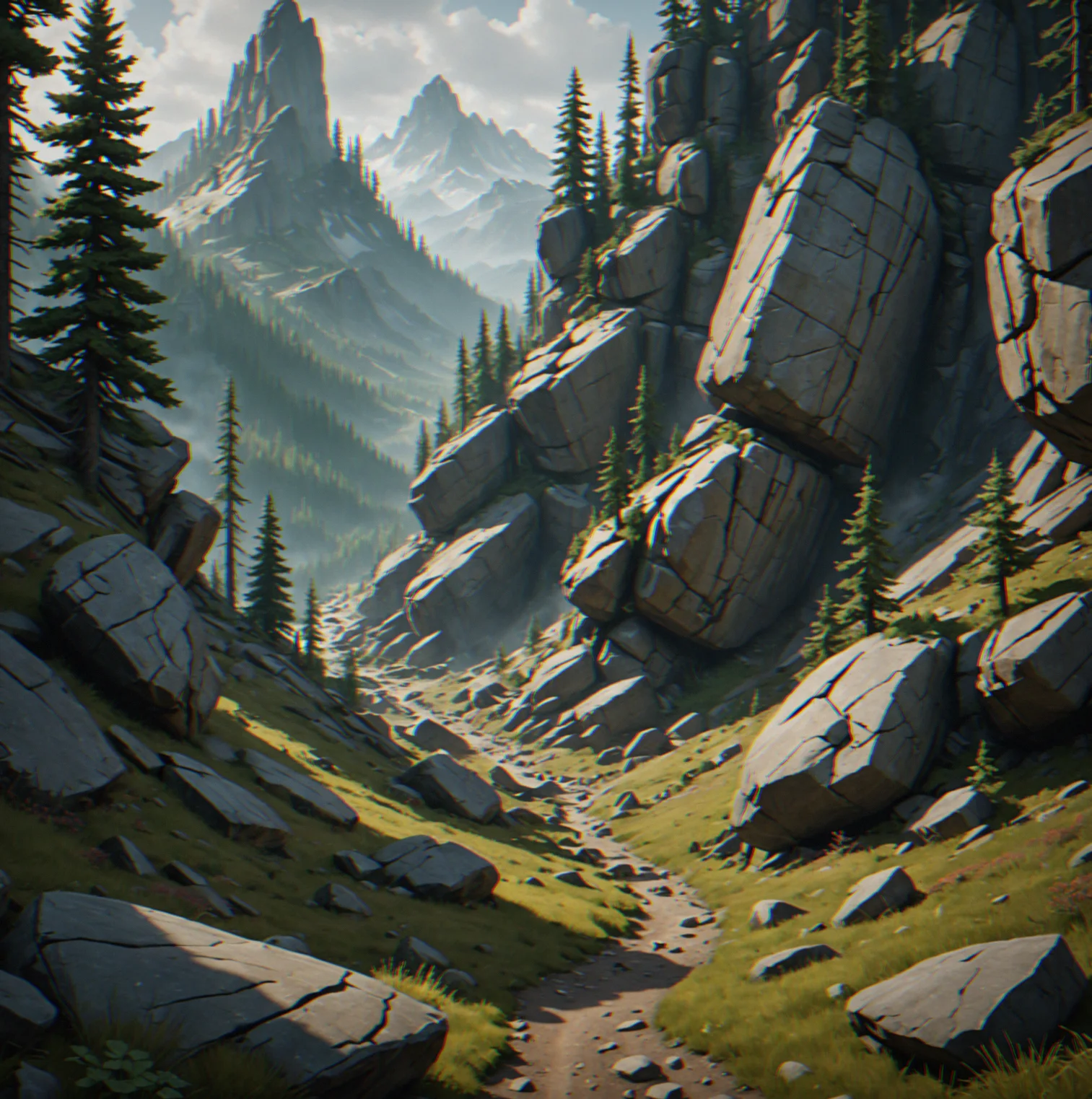
Cliff face with visible layers of different rock types stacked one on top of the other. Erosion patterns tell you the story of age and what the environment was like. You have to actually look and think about what you're seeing. No UI handing you the answer.
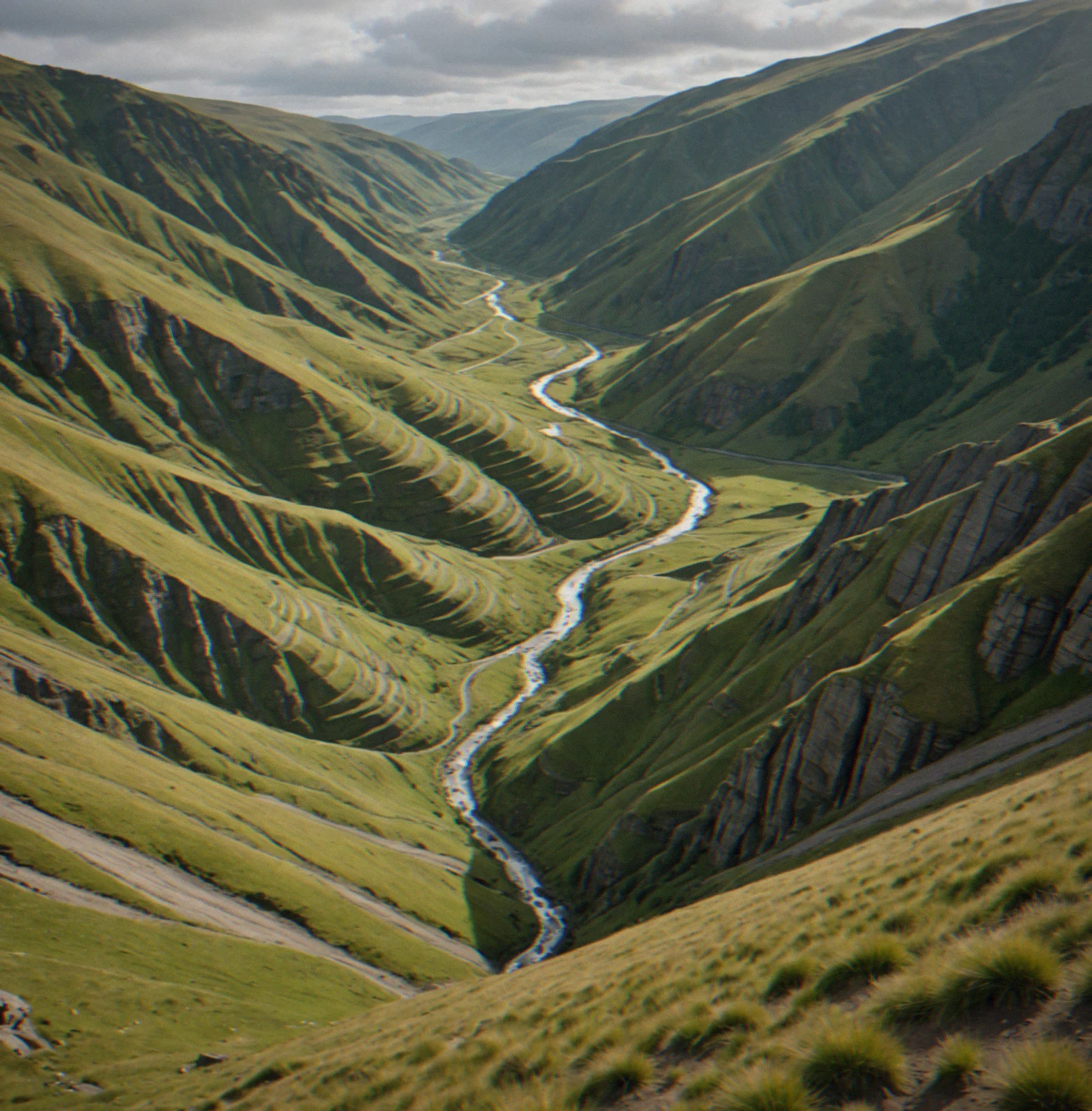
Everything you do involves moving through space and reading what it tells you. Elevation shifts. How water flows. How thick the vegetation gets. The age of the rock formations. The landscape itself is the teacher—not combat, not dialogue trees. Just reading.
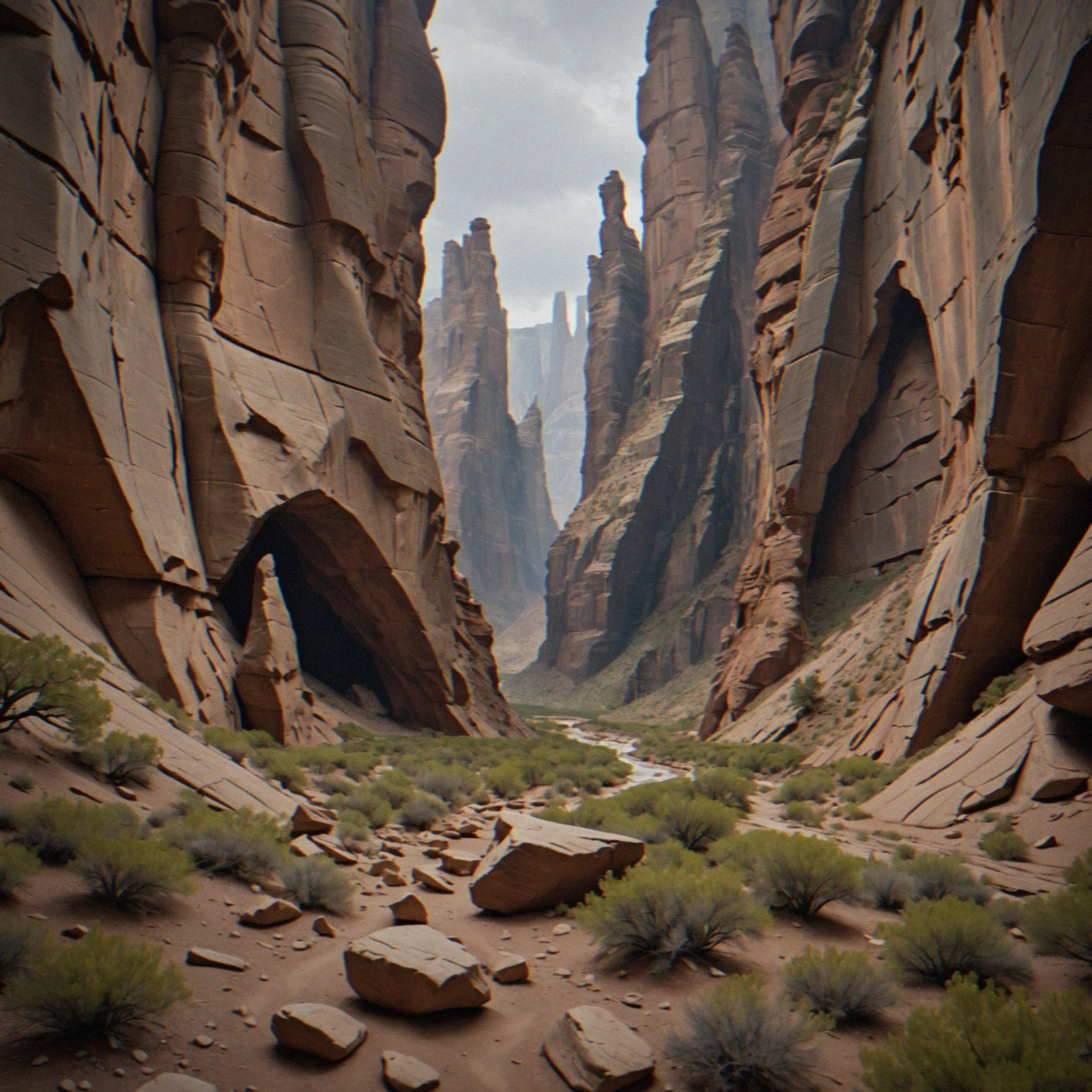
A designer placed every location once and lived with the consequences. There's no procedural generation reshuffling things each time you play. One world. One geography. You get to actually know it.
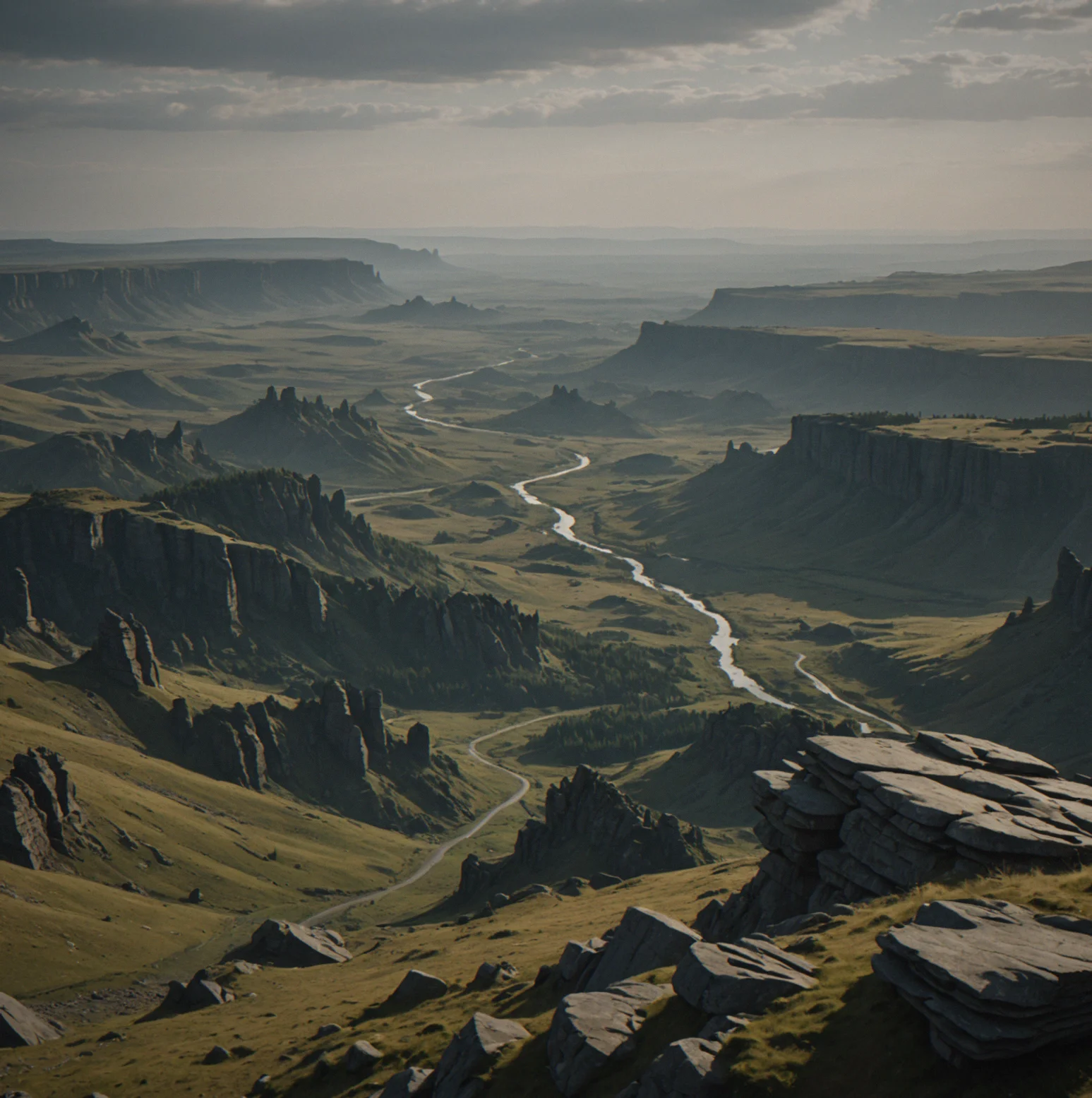
No compass pointing you around. No map floating above everything. No waypoints or markers telling you where to go next. The world has to speak for itself instead, and that matters because you only learn when you actually pay attention.
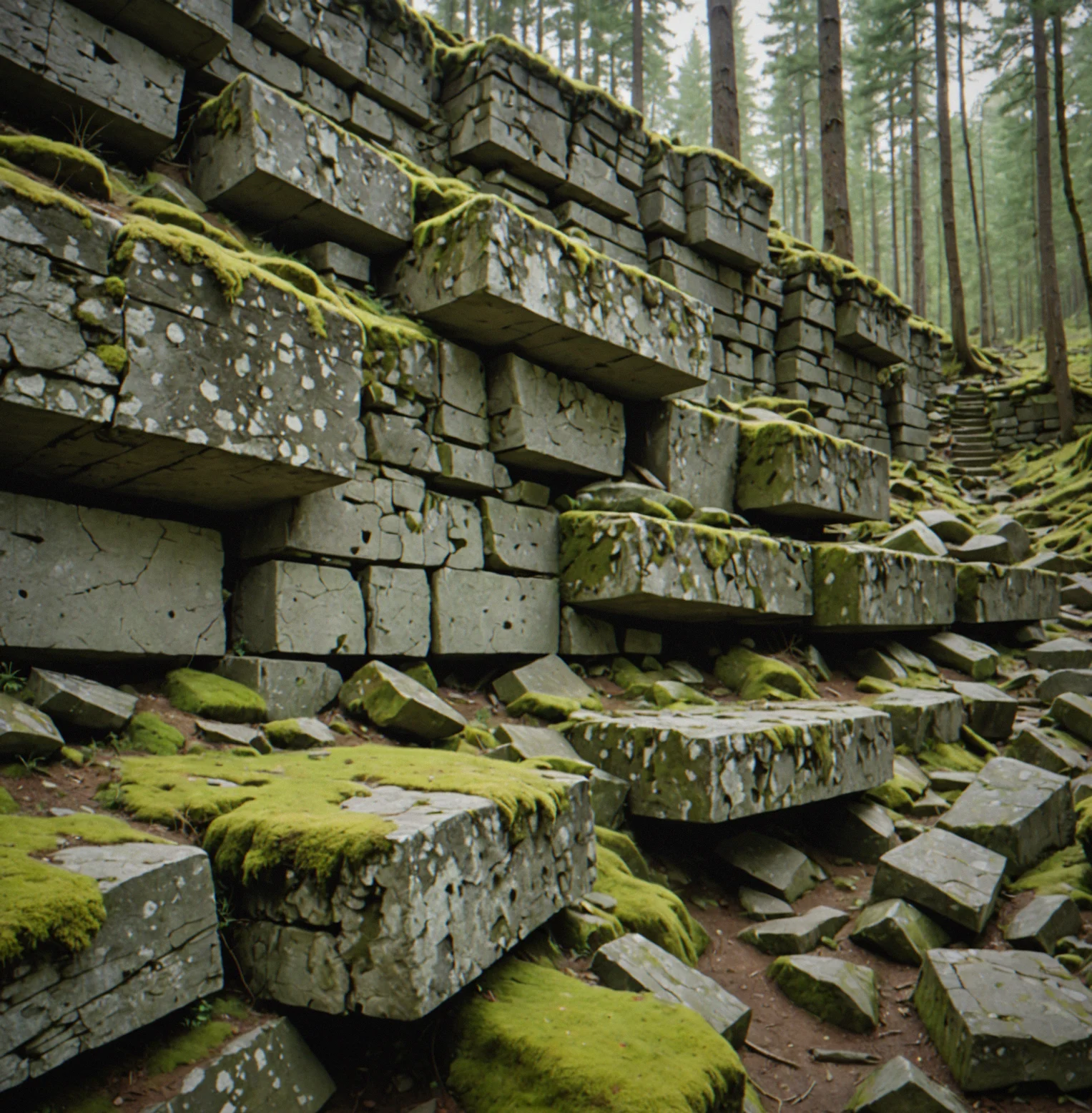
A ruin's shape tells you what it was for. Worn paths show where people actually walked. Geological formations hint at how much time has passed. The story unfolds just by looking, without anyone explaining it to you.
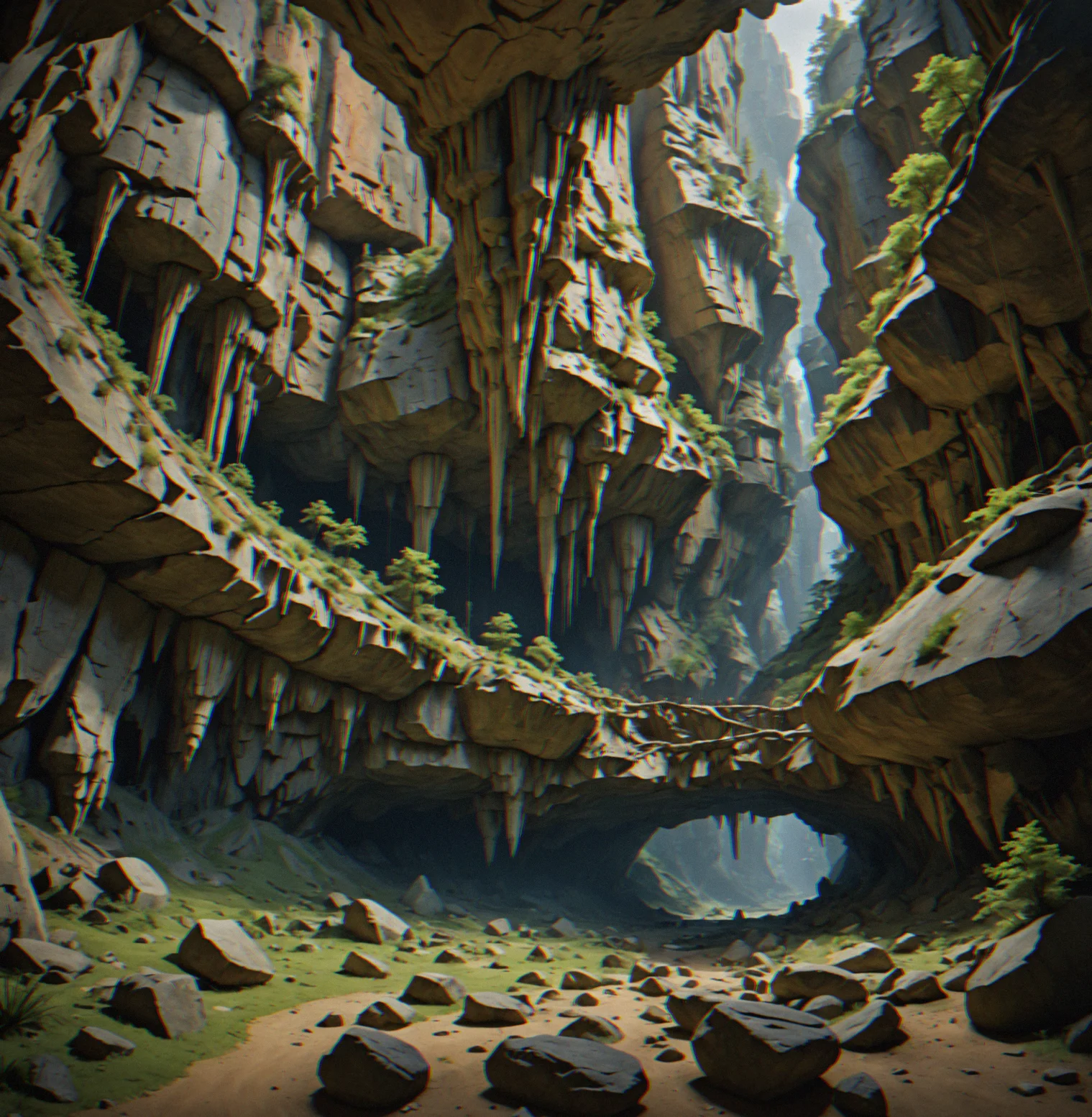
You have to hold the world in your head.
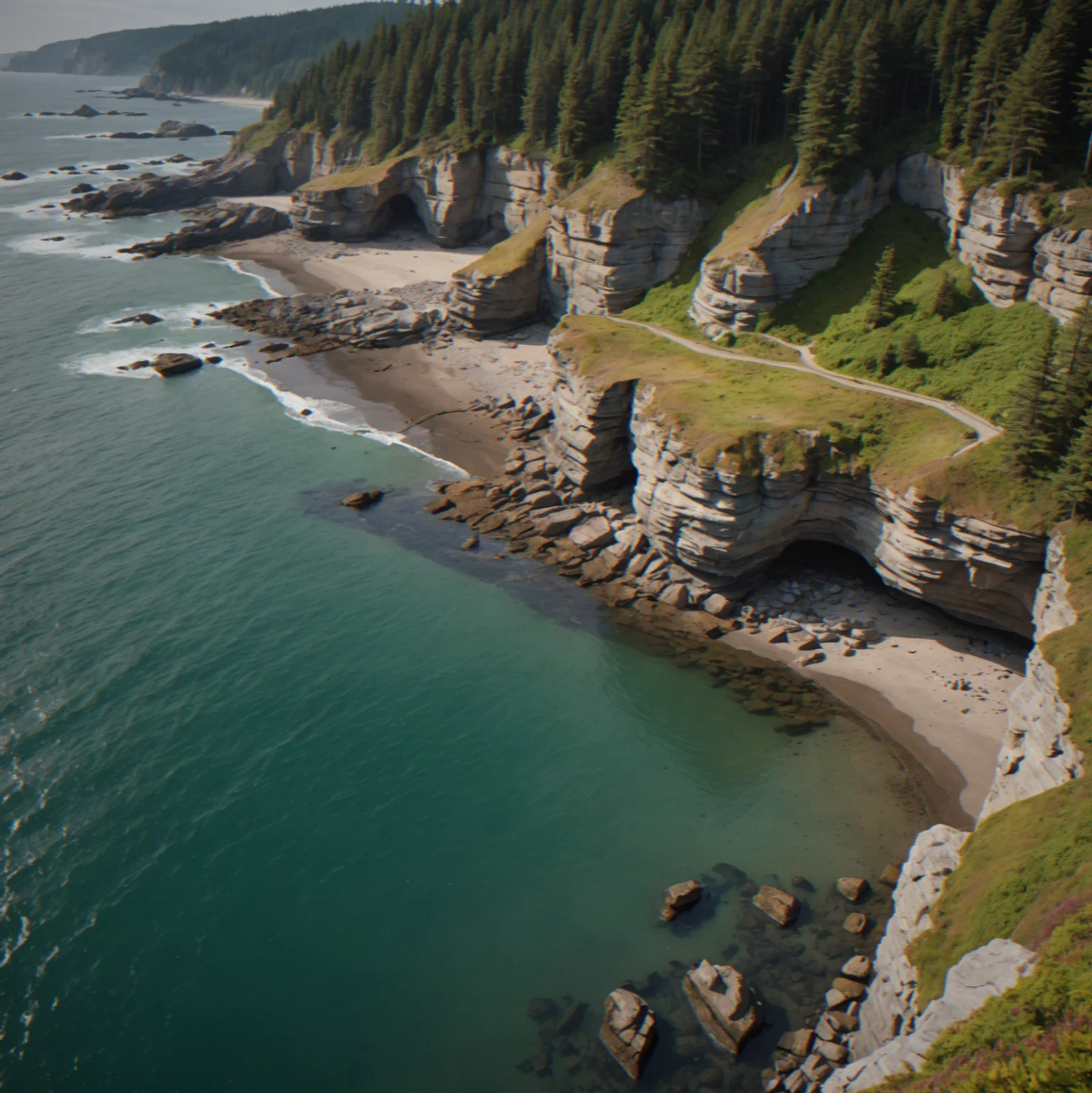
The game doesn't punish you for noticing things. It doesn't lock solutions behind tight time wnidows or demand perfect execution. If you understand the space, you can figure it out. That's the deal.
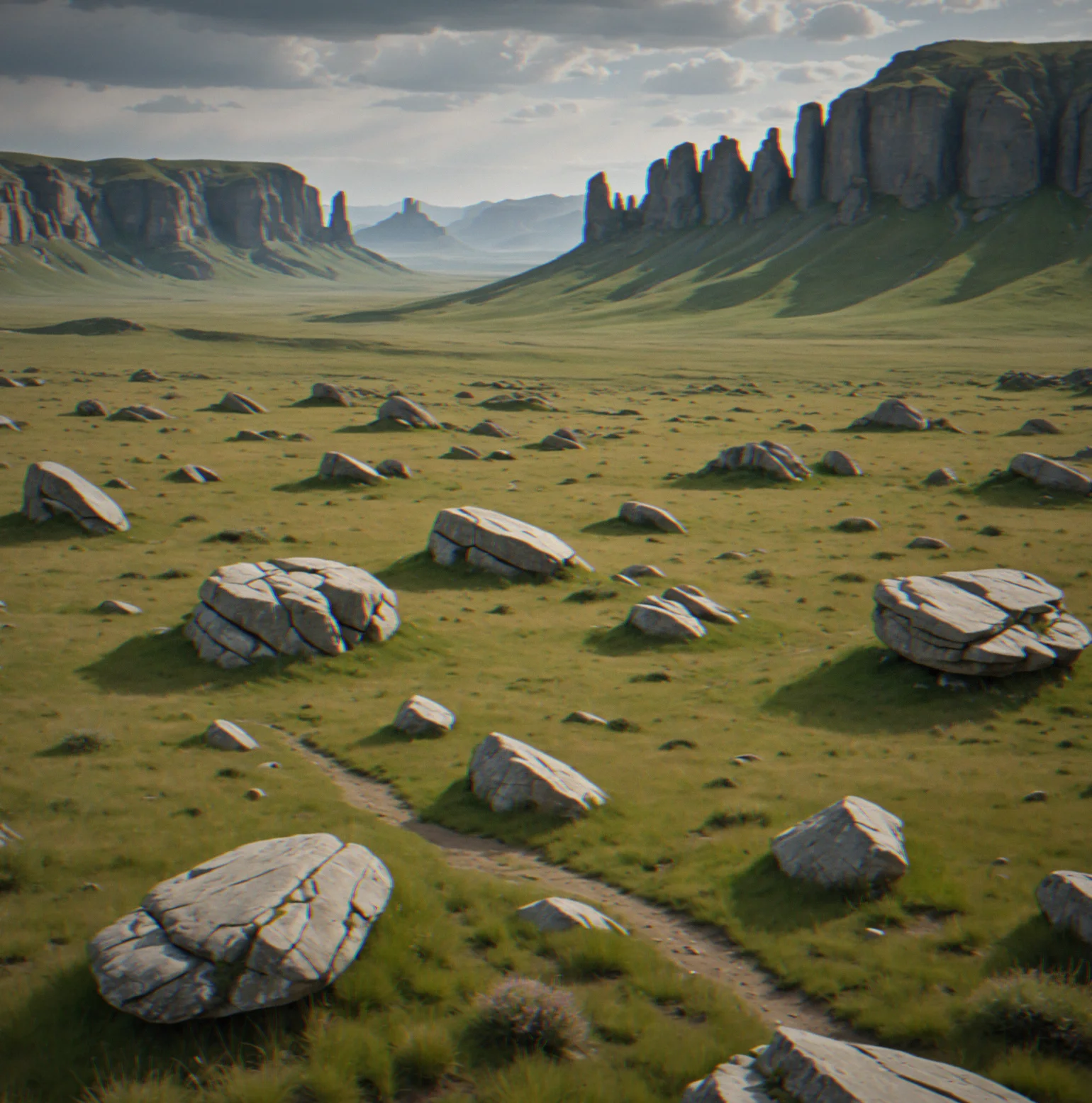
Navigation works by remembering where that mountain peak was relative to you. By knowing which direction the river flows. By spotting those twin rock formations you saw half an hour back. Stuff like that becomes your map.
Three ways terrain does the work of telling you where to go. No overlays. No markers. Just landscape that makes sense the more you move through it and actually look. You figure things out on your own, and that's where the satisfaction kicks in.
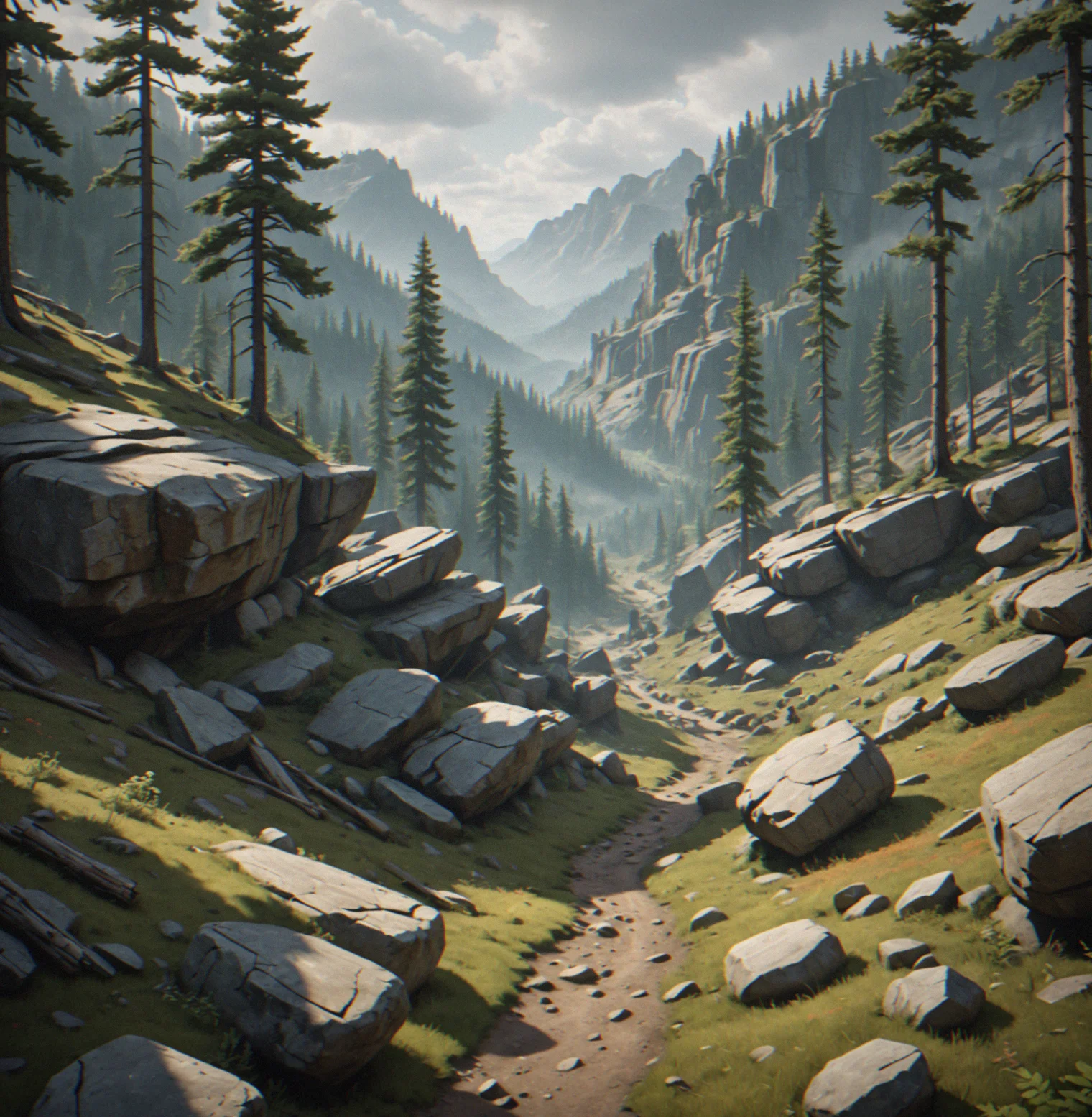
Canyon that twists back on itself with different levels throughout, stone bridges span between high plateaus, water's worn deep grooves into the cliff walls, and the screen stays clean—no minimap, no UI clutter
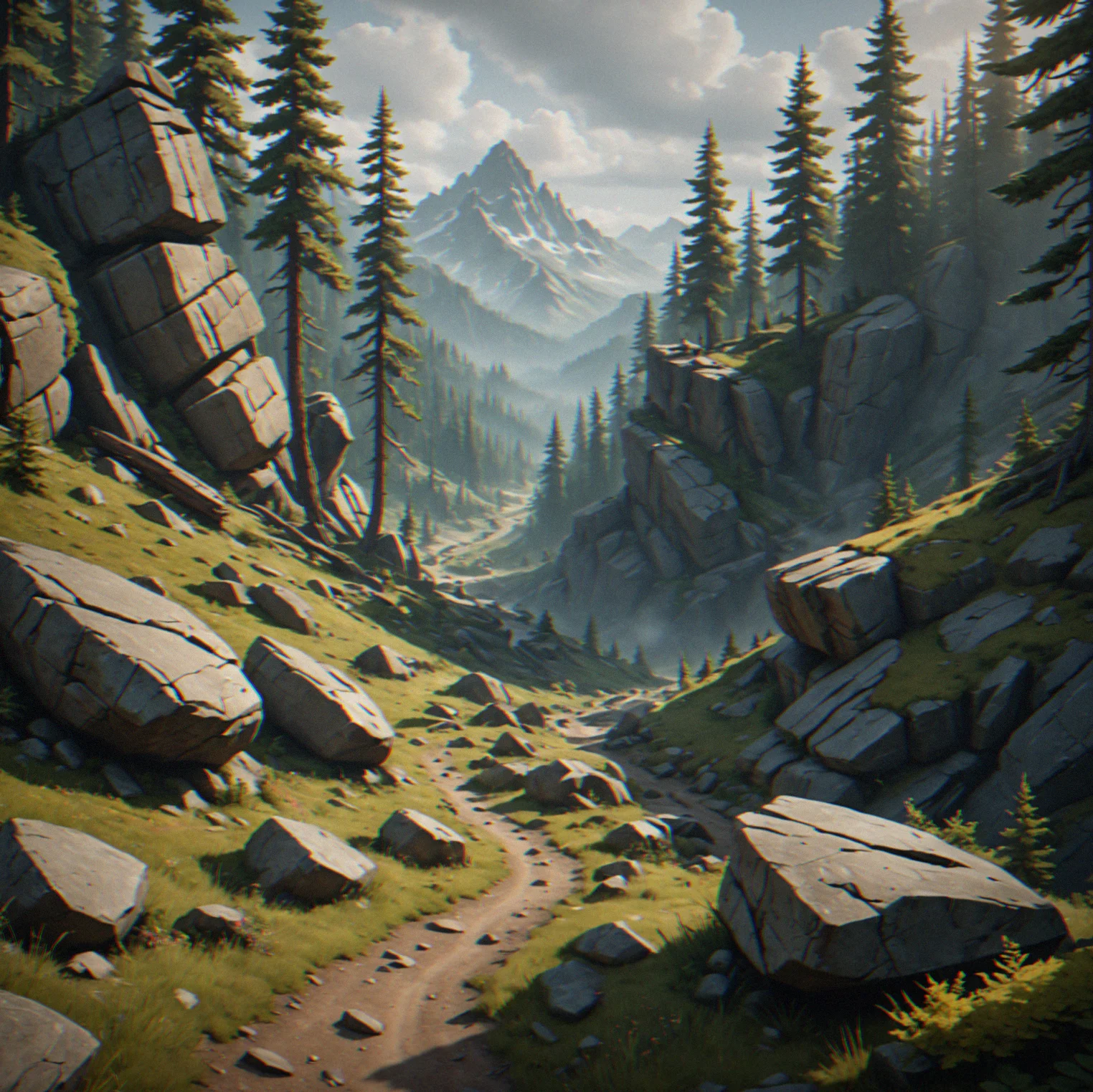
Ruins scattered across the landscape with enough left standing to suggest what used to be here and why people lived here, plants growing thicker in some zones than others to show you the climate shifts, nothing pointing you toward objectives
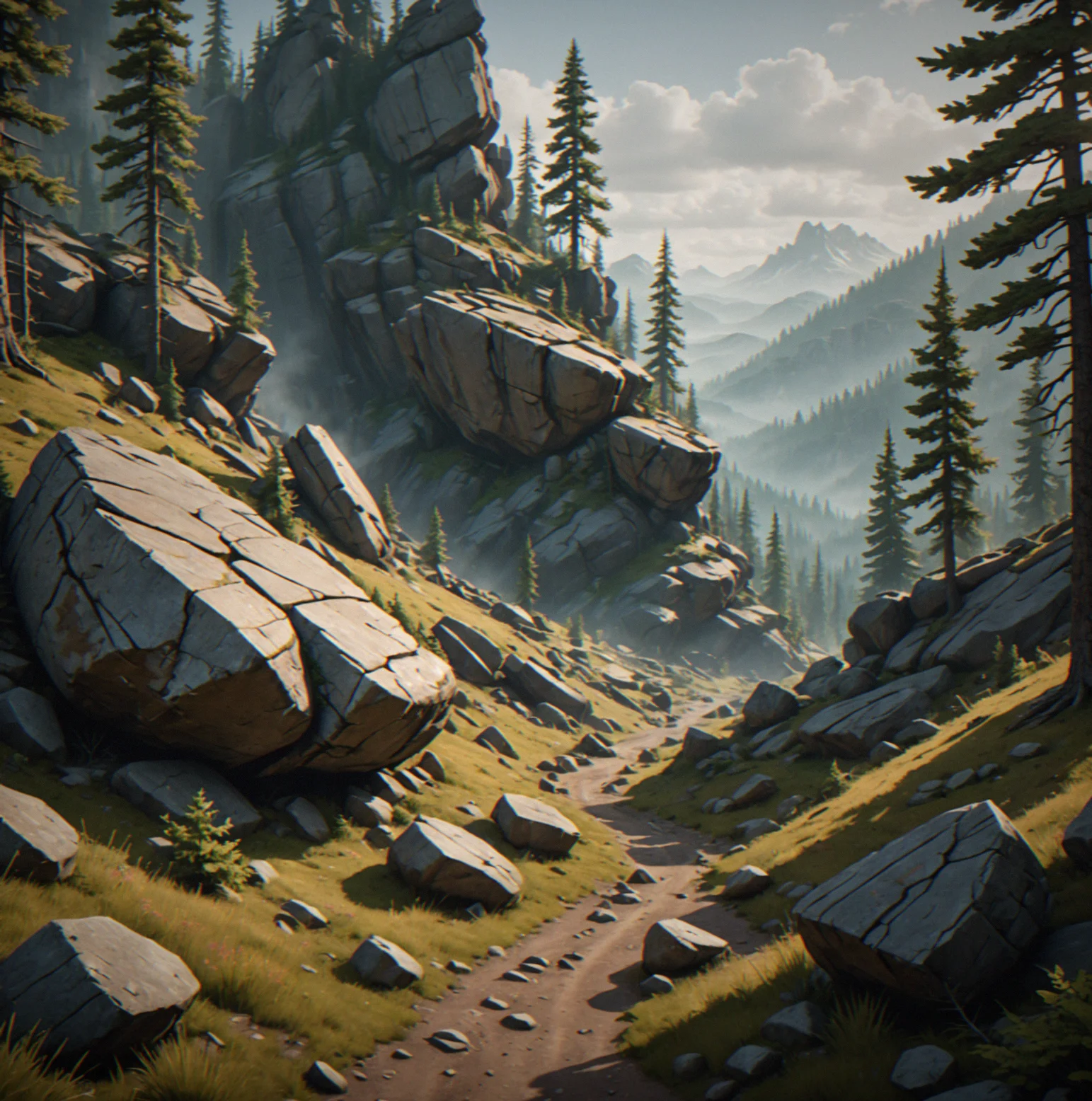
Basin ringed by ridges you can actually use to orient yourself, river cutting through the valley floor to show which way water flows, trees getting denser as elevation drops—the whole thing readable without a compass or waypoint system in the way
Six screenshots from a world where the UI just disappears. The terrain is hand-built. No maps. No markers. Just space, and you have to figure it out yourself.
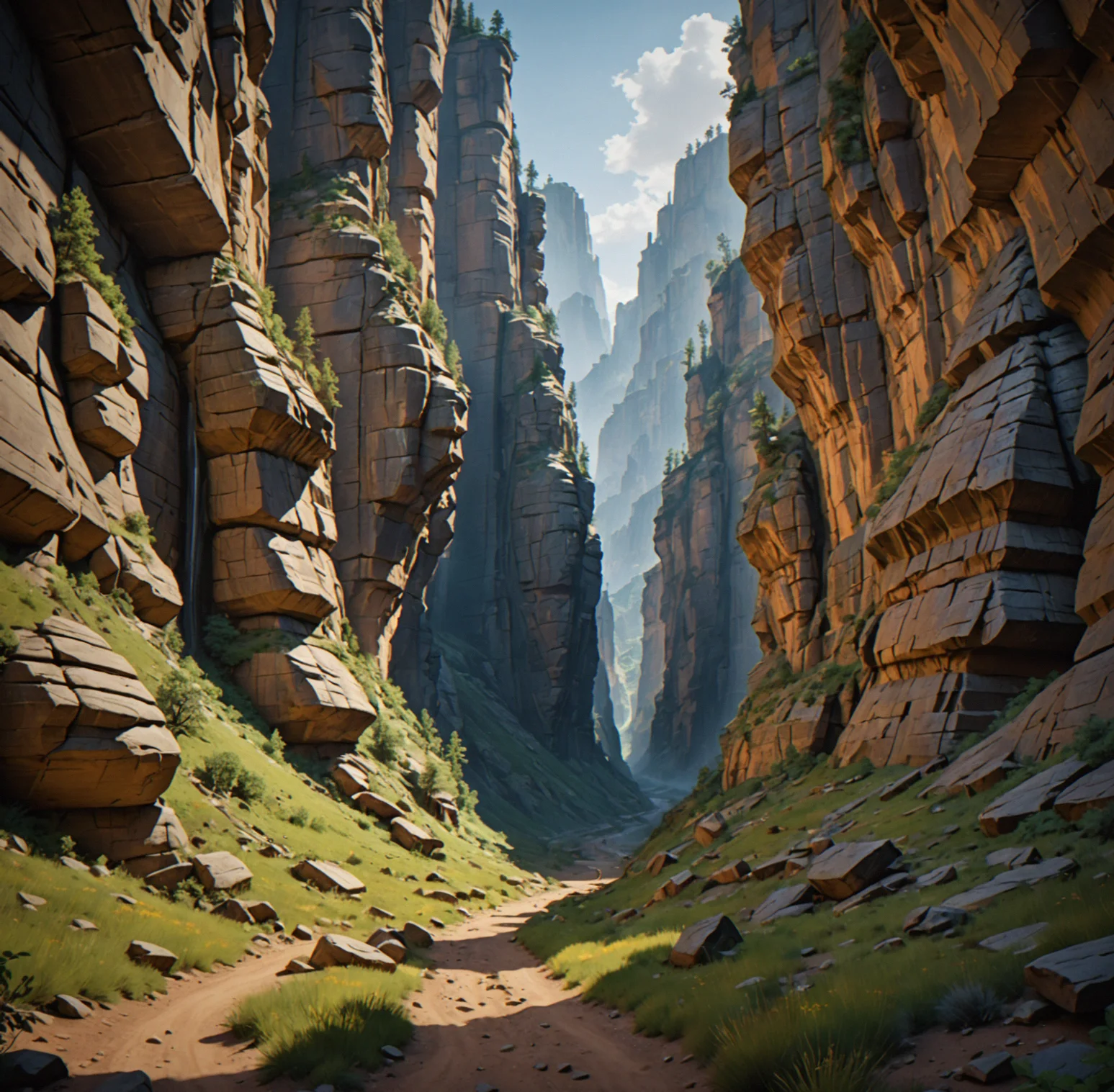
A deep canyon carved in layers, with cliff faces at different heights that become landmarks as you move deeper. Stone formations guide your eye naturally. Nothing on the screen telling you where to go.
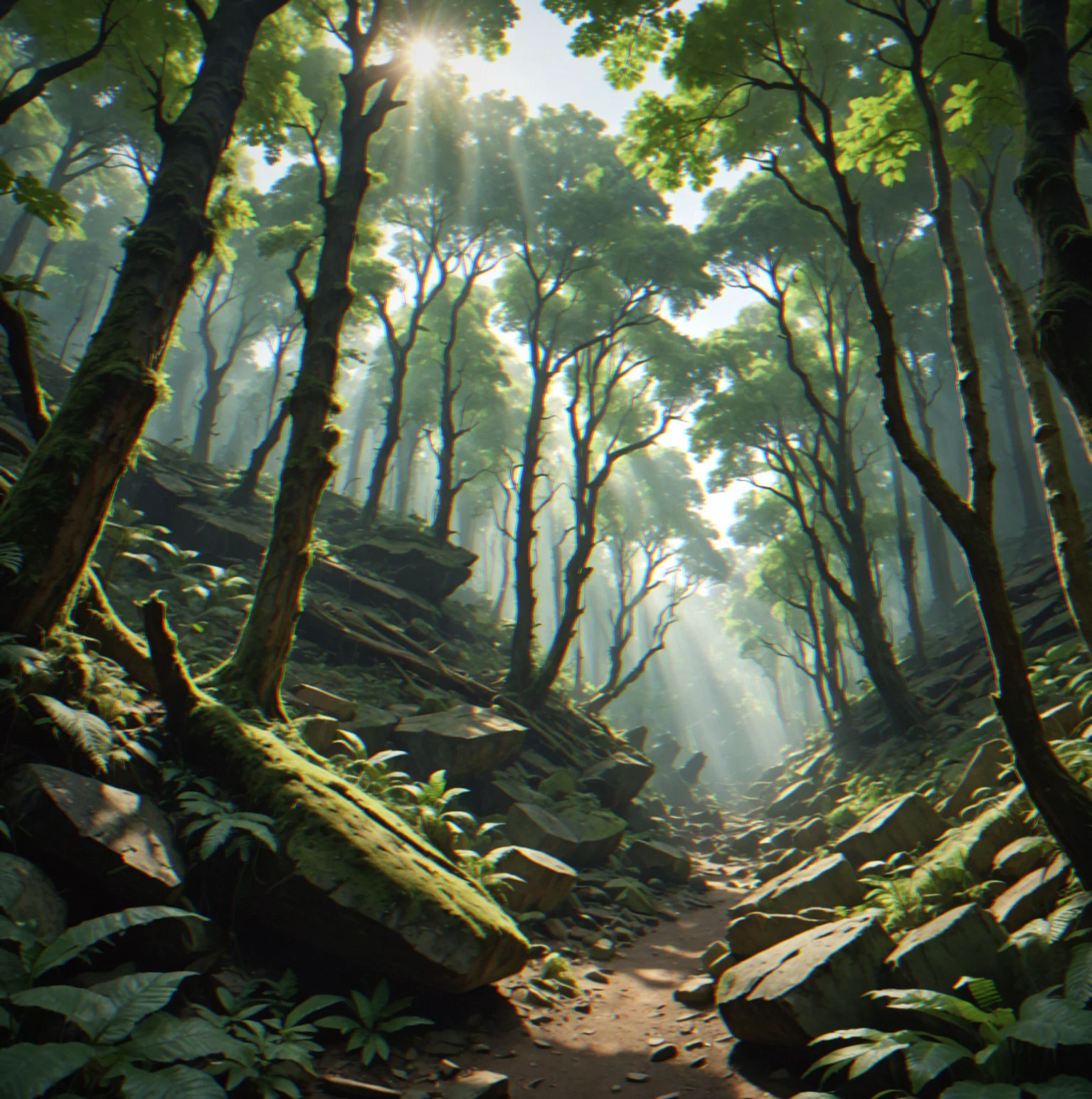
Dense forest canopy with light breaking through in patches. A ravine cuts down beneath all that vegetation, barely visible. You have to look. No markers. No quest indicators.
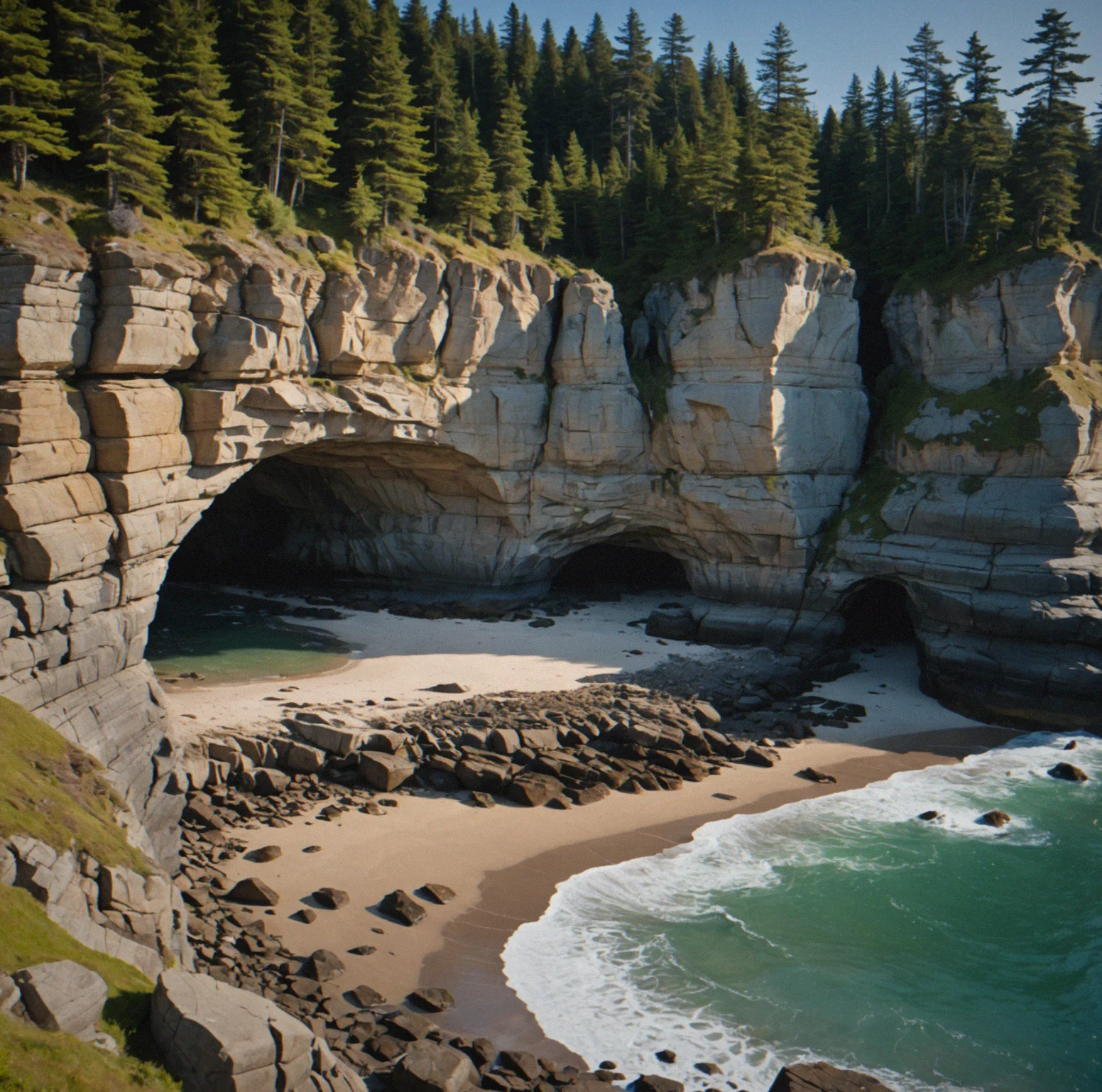
Cliffs drop straight to the water. Waves have carved alcoves and natural arches into the rock face. Tidal pools reflect the different levels. No compass. No waypoint system.
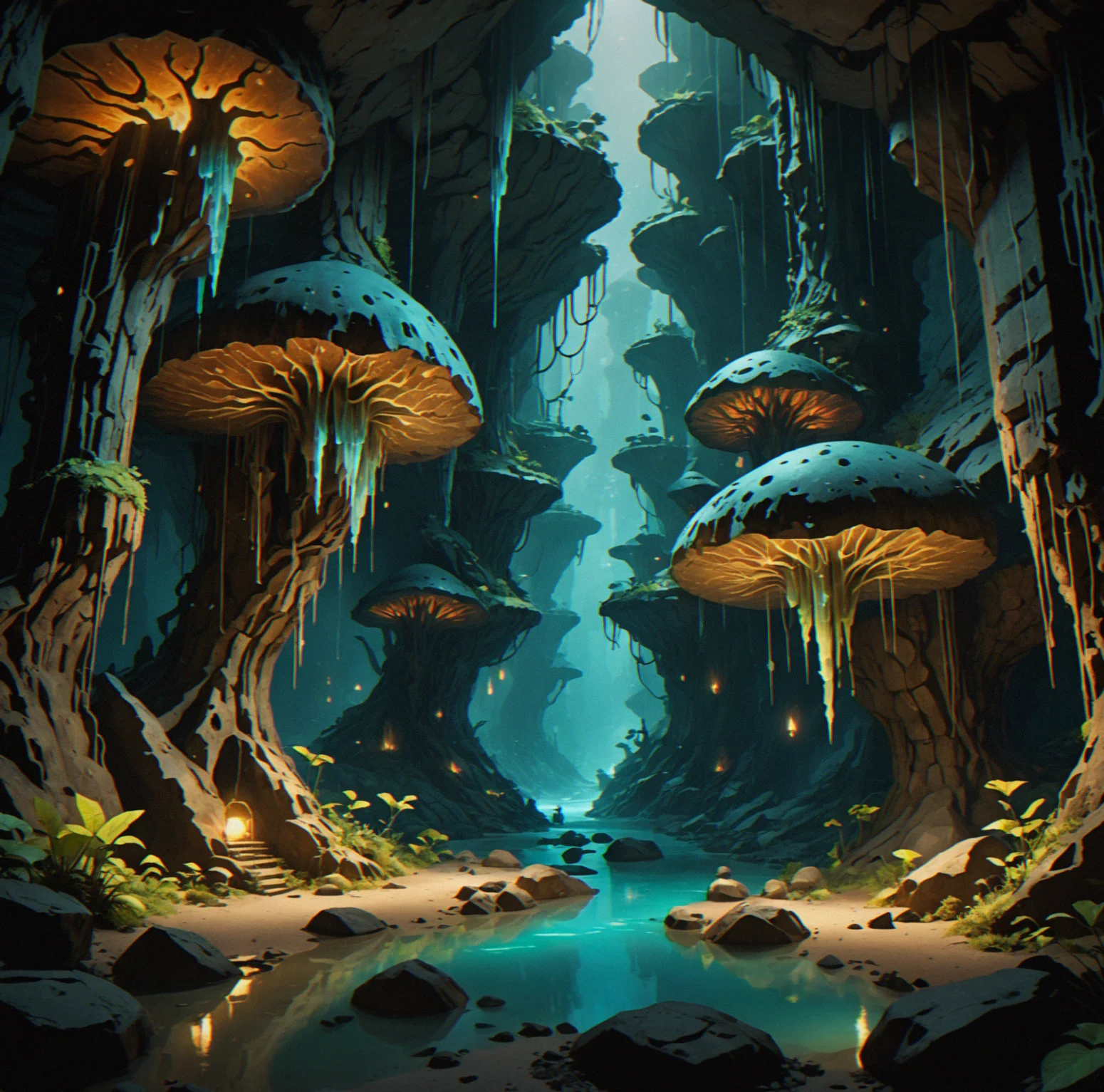
Cavern system underground with stalactites hanging down like natural signposts. Bioluminescent fungi light the passages without being obvious about it. You can count five chamber levels stacked through the natural openings. The screen stays clean.
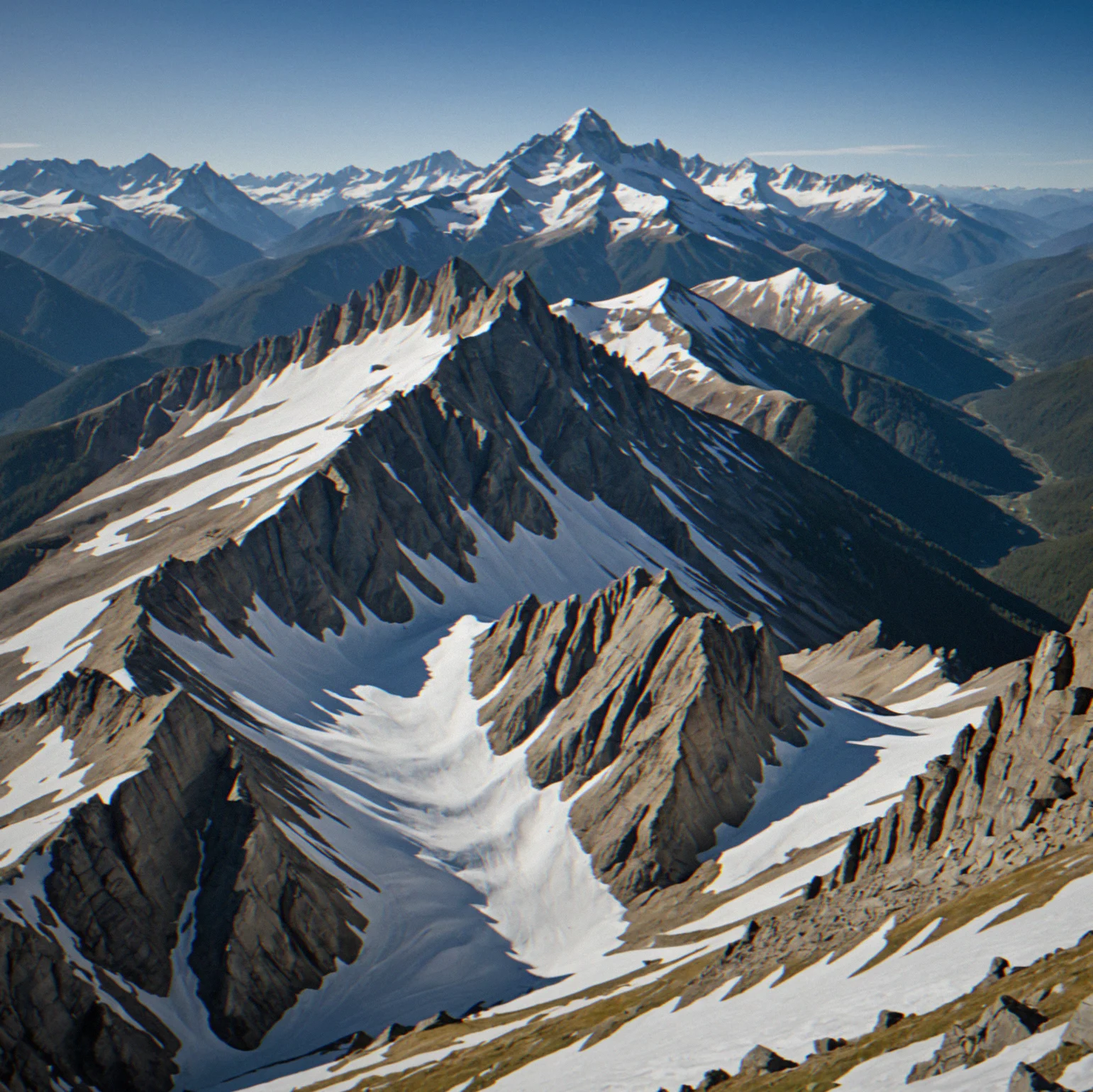
Mountain ridges with snow marking where the elevation gets serious. Distant peaks tell you how far the world extends. Several summits rise up clearly without any scale reference or navigation overlay in the way.
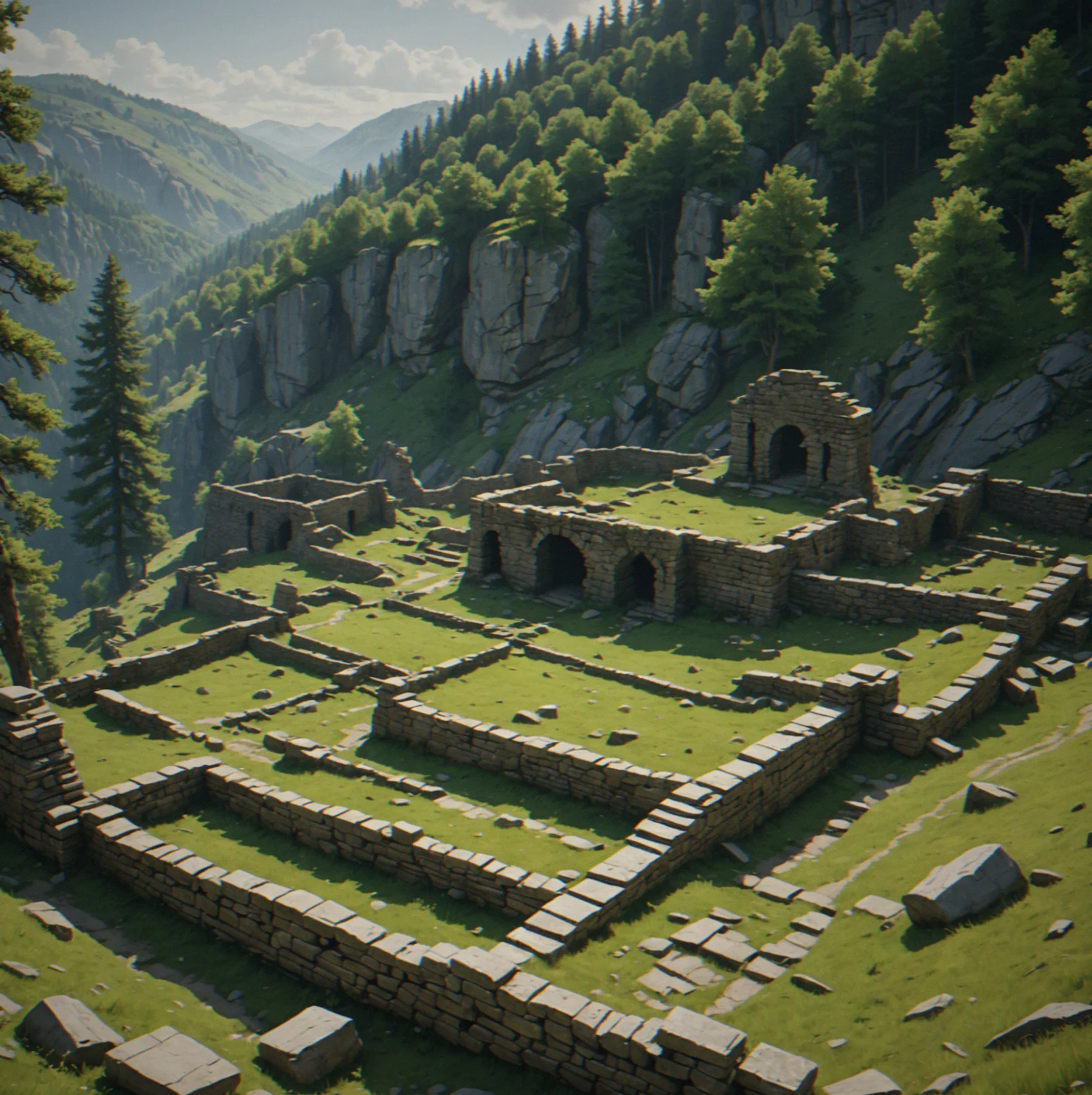
Old ruins scattered across a hillside. Building foundations still visible, arranged in patterns that suggest how people used to move through this place and where they built paths. The screen stays empty. No prompts. No objectives.
These games aren't for everyone. Below are questions people actually ask before jumping in—and what you need to know before spending 30+ hours in a world that won't hold your hand with a map.
Yeah, you'll get lost. That's the point. Whether it frustrates you depends on whether you're willing to actually learn. The design works if you pay attention to terrain, water flow, rock shapes—stuff like that. By hour 10 or so, you can navigate without constantly second-guessing yourself. Later on, you stop needing notes because the space is in your head. It's like moving to a new city. First week is chaos, but after a month you stop thinking about directions.
Different philosophy entirely. Hard mode punishes you or adds time pressure. This rejects the whole idea that players need a UI telling them what to do. These games trust your observation skills as a mechanic, not a difficulty toggle. The real challenge isn't staying alive. It's understanding.
Play Return of the Obra Dinn first if you haven't already. If beating that felt satisfying—like you were trusted to think instead of being led around—you'll probably click with what's here. If it felt like a chore, these aren't for you.
Absolutely. That's why this focuses on hand-built worlds instead. A procedural system spits out infinite maps. A designer makes one map that teaches you something through how it's structured. Procedural terrain is random noise. Hand-built terrain has geology that tells a story.
Navigation is the puzzle. Figuring out where you are and how spaces connect to each other reveals what to do. Some games add logic puzzles on top—math, patterns, moving things around—but it all comes back to spatial reasoning. You read the world and solve problems through deduction, not by picking dialog options or managing inventory.